Appendix
Category;
Case Studies
DATE PUBLISHED;
9.11.2026
Credits;
Read Time;
Watch Time;
4M
Case Study: Cera Stribley
Established in 2013 by Domenic Cerantonio and Chris Stribley, Cera Stribley is a Melbourne architecture and interior design practice with a multidisciplinary team of more than eighty and studios in Melbourne, Brisbane and Adelaide. Working across multi-residential, residential, commercial and hospitality projects, with interior and landscape design carried out in-house, the practice pairs bold, expressive design with a rigorous and analytical process, producing buildings of real presence that are grounded in their context and made to endure.
Office D.SHARP worked with Cera Stribley to review its brand, research how it is perceived by its clients and collaborators, and develop a marketing plan grounded in that evidence, giving the leadership team a clear direction for presenting the practice as it continues to grow.
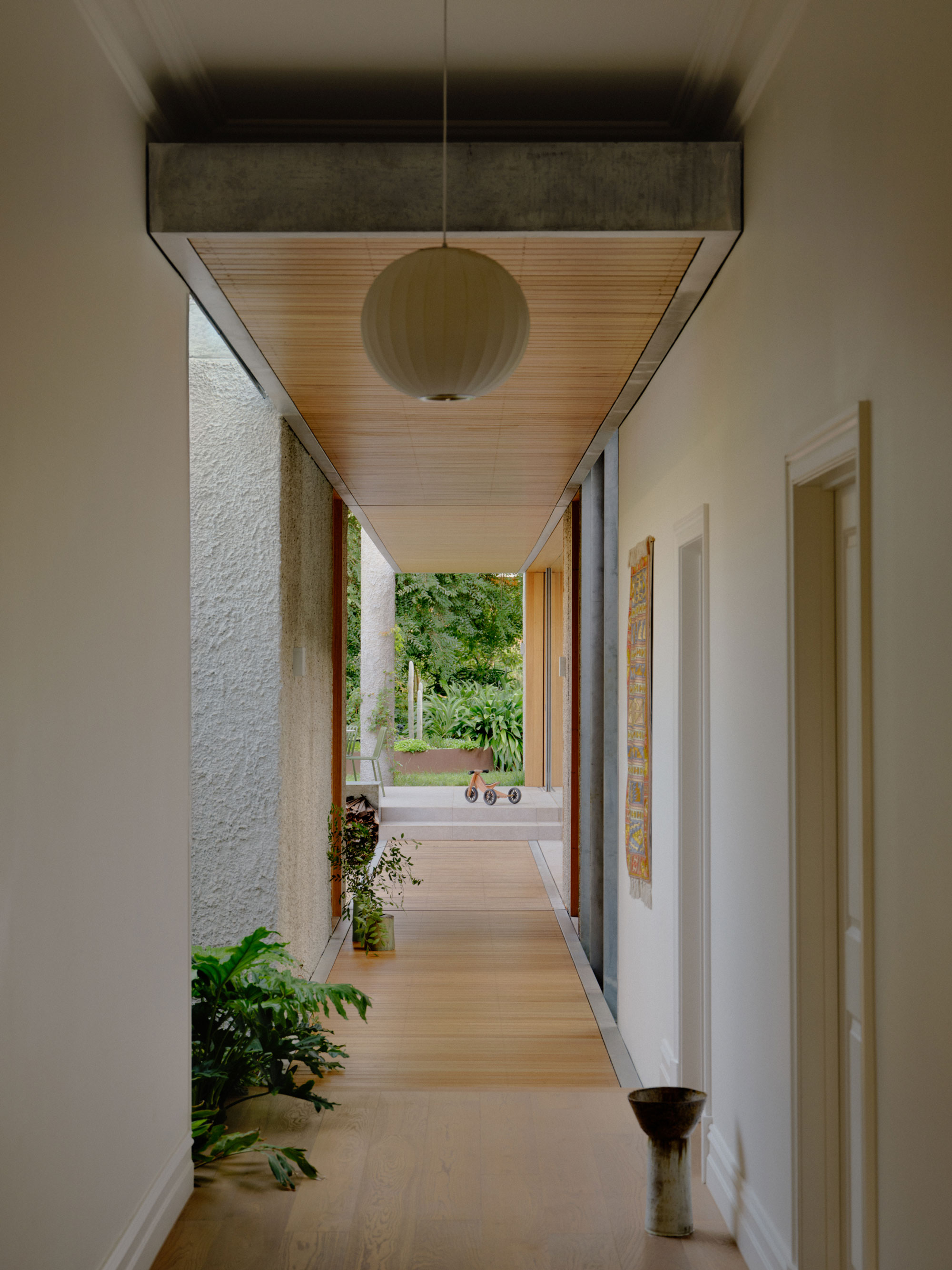
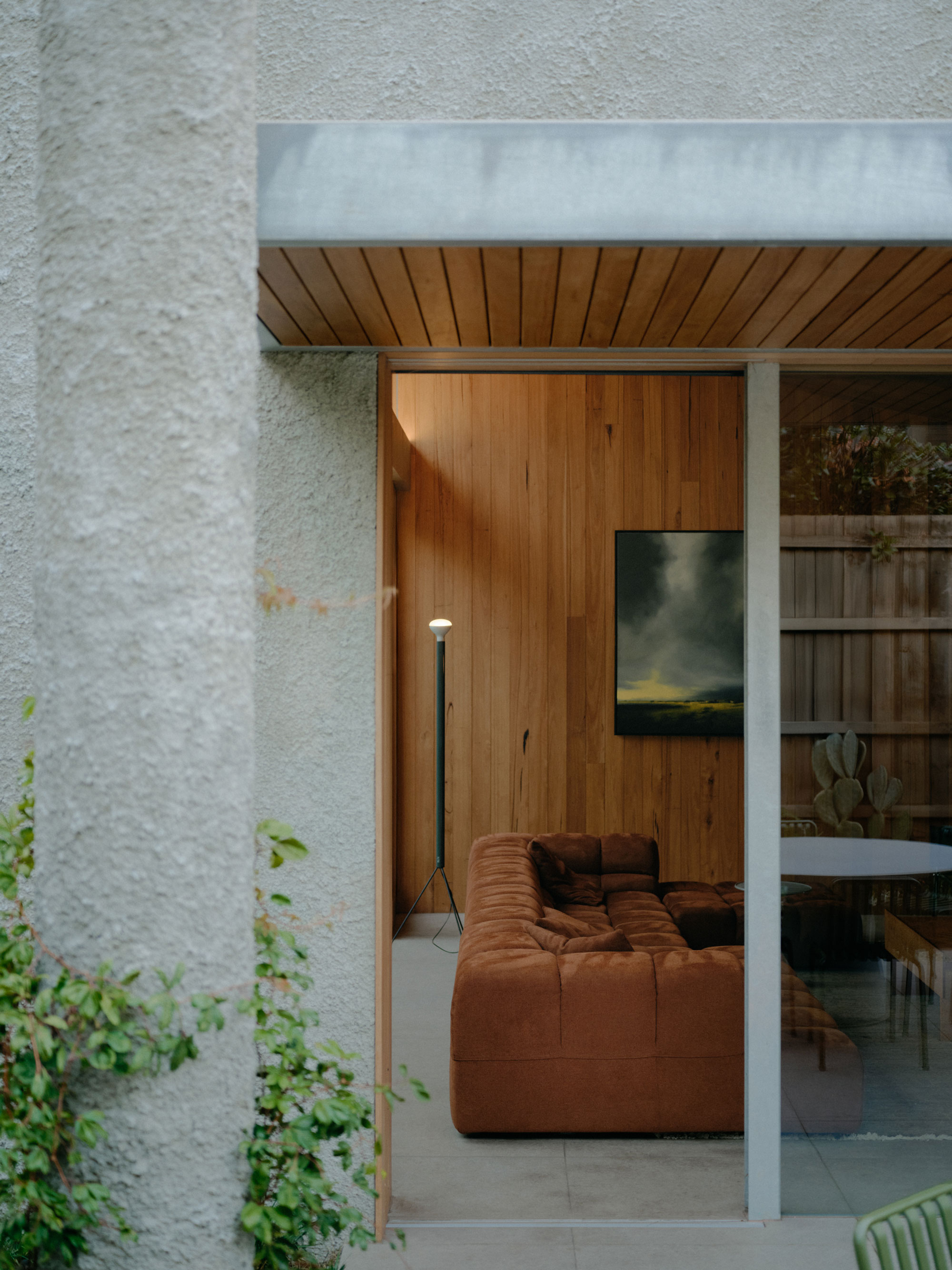
THE BRIEF
Cera Stribley engaged Office D.SHARP in May 2026, with the completed plan delivered in November. Having grown considerably in scale and reach, supported by a strong base of returning clients, the founders wanted the market's understanding of the practice to keep pace with that growth: the size of its team, its presence in three cities and its capacity to deliver larger projects.
They wanted the practice to be recognised for design quality in a commercial context, combining design ambition with commercial fluency and delivery capability, and to extend its Melbourne reputation interstate. The team also asked that the strategy be grounded in both qualitative and quantitative evidence.
BRAND REVIEW
We began with briefing sessions with the leadership team, then reviewed the practice's branding, website, portfolio, messaging, imagery, social media and client documents, benchmarking them against eight Australian and international practices nominated by the team. The practice's project descriptions were a particular strength, alongside its substantial record of awards and publication and the open presentation of its team.
There was scope to refine the structure of the website, sharpen the focus of the written messaging and bring greater consistency to the project photography, so that the studio's particular design character came through more clearly. We also saw an opportunity for the multi-residential work that forms a large part of the portfolio to feature more often in published coverage.
MARKET RESEARCH
To ground the strategy in evidence, we designed and carried out a market research study with two audiences: the practice's clients, largely developers alongside private homeowners, and its collaborators, including builders, project and development managers, planners and real estate agents. We began with a series of interviews, then used what we learned to shape a survey.
We asked each audience about the media they follow, their awareness and consideration of comparable practices, and the qualities they look for when appointing an architect. We then asked how strongly they associate each of those qualities with Cera Stribley, how they see the practice's reputation in the wider market, and whether they recommend it to others.
Comparing what each audience values with how it sees the practice gave us a clear picture of where Cera Stribley's reputation is strongest and where its communication could do more, and these insights fed directly into the positioning, the objectives and the priorities of the marketing plan.
POSITIONING
We then held positioning workshops with the leadership team, drawing on the brief, the review and the research. Together we agreed on four concepts: bold, rigorous, grounded and enduring. They pair expressive design with an analytical process, and serve as an internal reference for briefing suppliers and aligning the practice's messages.
The three objectives for the year ahead focus on increasing awareness of the practice in the international architecture and interiors market, elevating the image and presentation of the brand, and growing consideration among private developers in interstate markets, each with a clear measure. The third objective shaped many of the decisions that followed.
TACTICS
Project content received particular attention in the marketing plan. We recommended a more selective approach to which completed projects are photographed and promoted, a consistent photographer for key projects with a more architectural emphasis, and art direction for the visualisations produced by the practice's in-house team. We also proposed film, drawings and long-form research publications drawn from the practice's own projects.
On the website, we recommended refining and simplifying the existing design rather than replacing it, to focus attention on the work and convey the scale of the practice. We also recommended a structured programme of relationship management and events to strengthen its standing with the developers and collaborators it works with most closely.
Cera Stribley is a practice of considerable scale and design ambition. The plan now gives it a clear, evidence-based direction for how that ambition is presented, grounded in what its own clients and collaborators value and focused on the markets where it intends to grow.
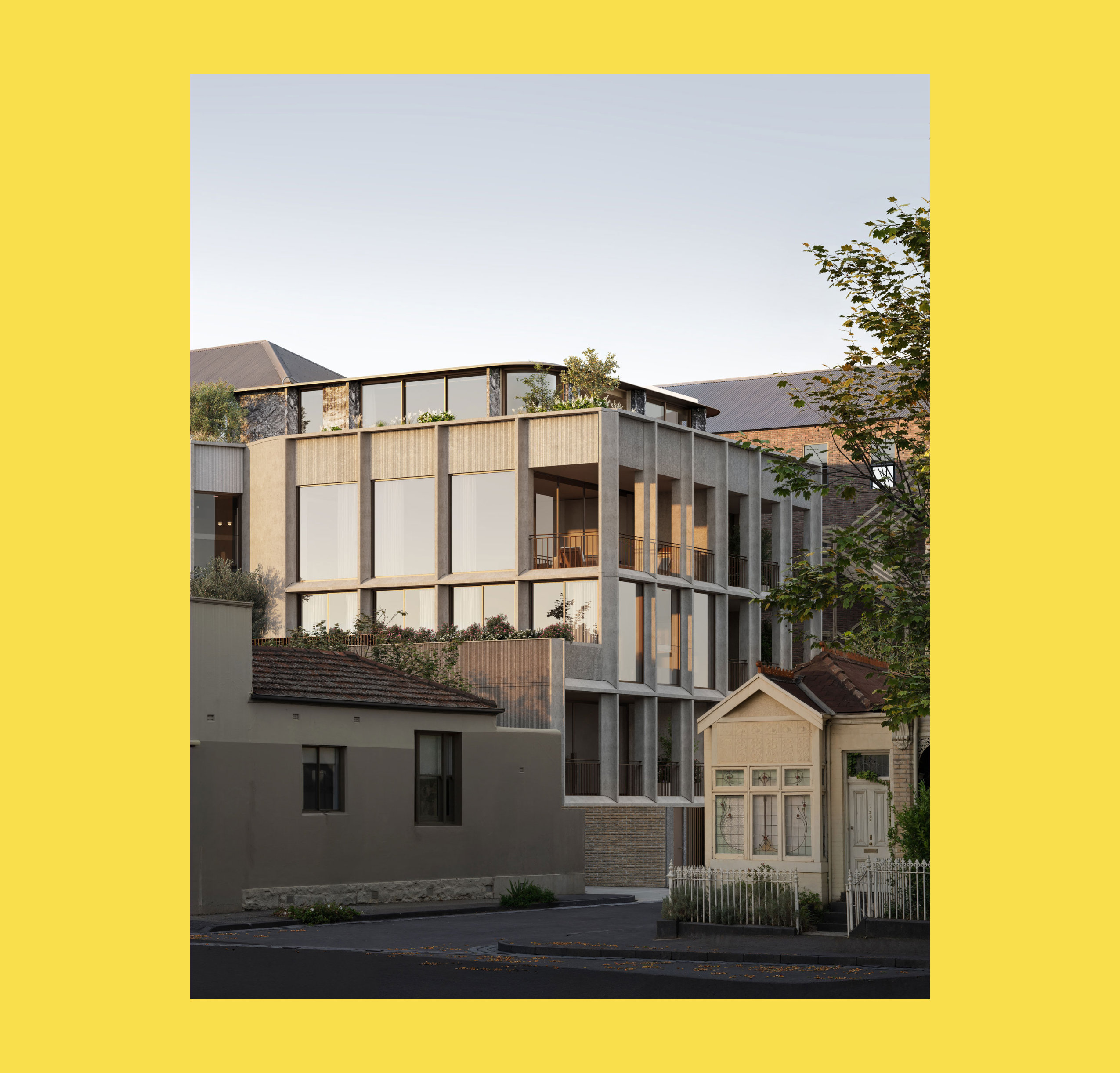
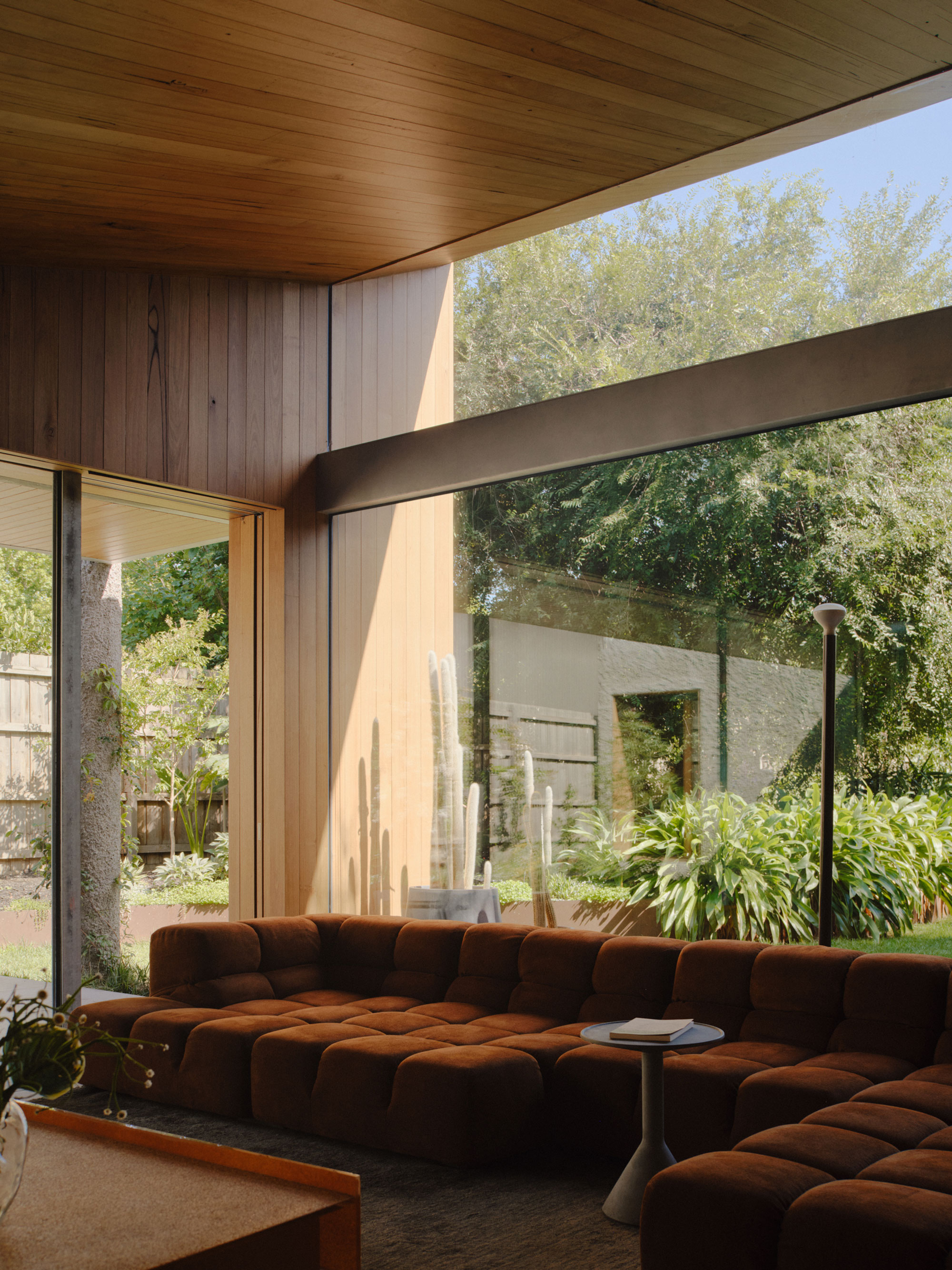
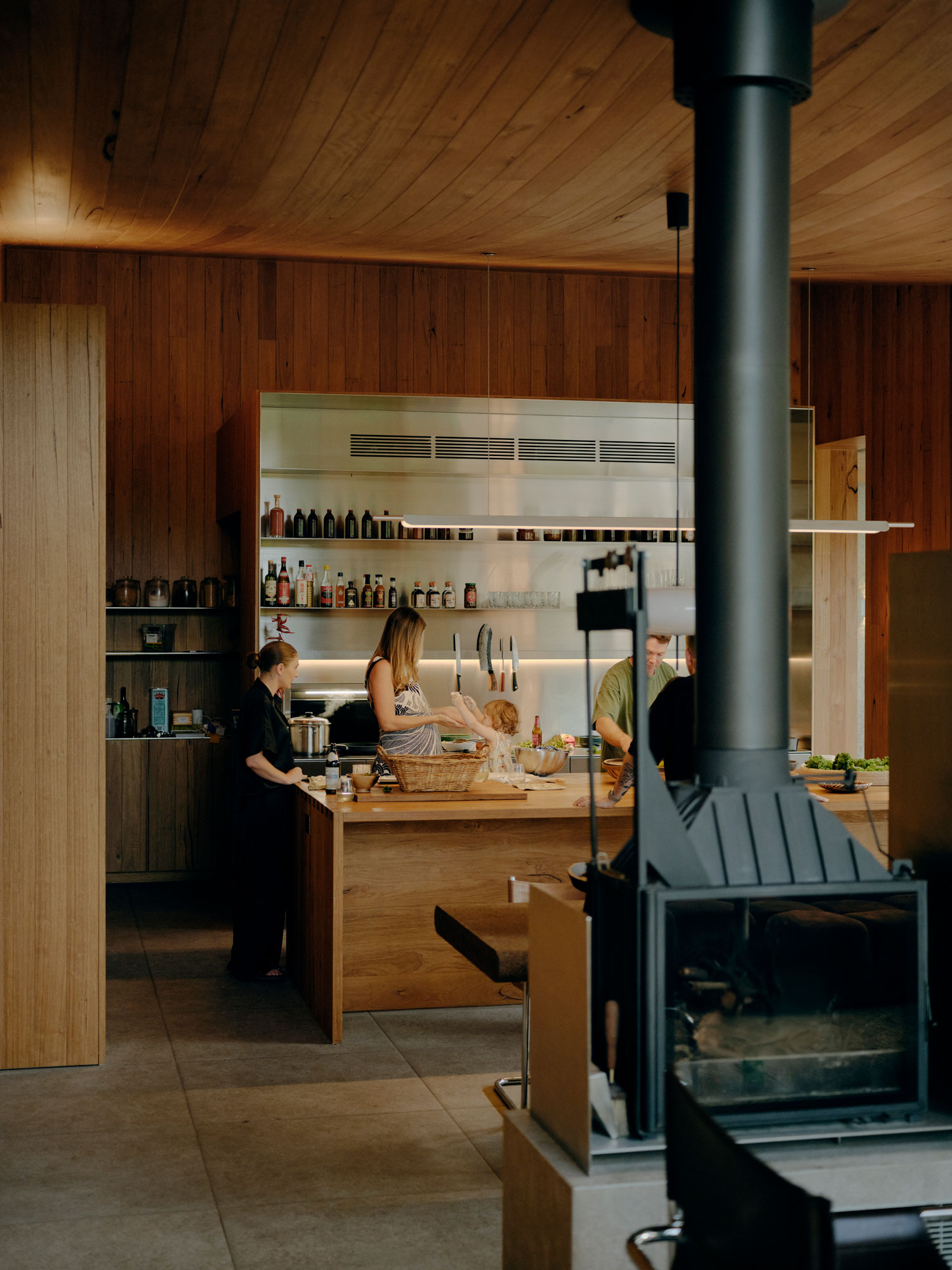
Photography of Harvest House by Tom Ross. Visualisations of Bridport, a project with JACMAX and Kelly Wearstler.