Appendix
Category;
Case Studies
DATE PUBLISHED;
27.11.2023
Credits;
Read Time;
Watch Time;
4M
Case Study: Drift Landscape Studio
Based in Albany on the south coast of Western Australia and led by director Patrick O'Neil, Drift Landscape Studio designs gardens and landscapes across the state, many of them for architect-designed homes on large rural and coastal sites. The studio is known for soft, subtle and naturalistic planting, grounded in a detailed knowledge of local growing conditions and an architectural sensibility that sits naturally alongside the buildings it surrounds.
Office D.SHARP developed a marketing strategy for the studio with a focus on raising its profile among Western Australian architects. The plan led to a new brand identity and website by Both, new project photography, and a printed booklet mailed to architecture and interior design practices.
THE BRIEF
Patrick O'Neil approached Office D.SHARP in August 2023, with the completed plan delivered that November. Five years after its founding, the studio had established a clear design philosophy and a consistent body of work, and a growing proportion of its commissions were for architect-designed private homes.
Many of the studio's most suitable projects had been referred by architects, and Patrick wanted to build on this more deliberately. His aim was for the studio to be better known among design-focused architects in Western Australia, and to attract larger and more architecturally led projects.
BRAND REVIEW
We began by holding workshops with the studio to understand its values, objectives, ideal clients and key challenges. We then reviewed its branding, website, imagery, social media and documents alongside those of a group of comparable landscape studios in its market.
The studio's visual identity was elegant, its design approach was consistent from one project to the next, and its process and services were explained with real clarity. Where it had more to gain was in the consistency of its project imagery, the curation of its portfolio and the presentation of its team, each of which could convey the strength of the body of work more clearly.
We also conducted in-depth interviews with two recent clients, exploring how they had reached their decision and how they saw the studio. Both placed a high value on knowledge of local conditions, and both had been introduced to the studio through the professionals designing their homes, which confirmed the importance of architects to the studio's future work.
POSITIONING
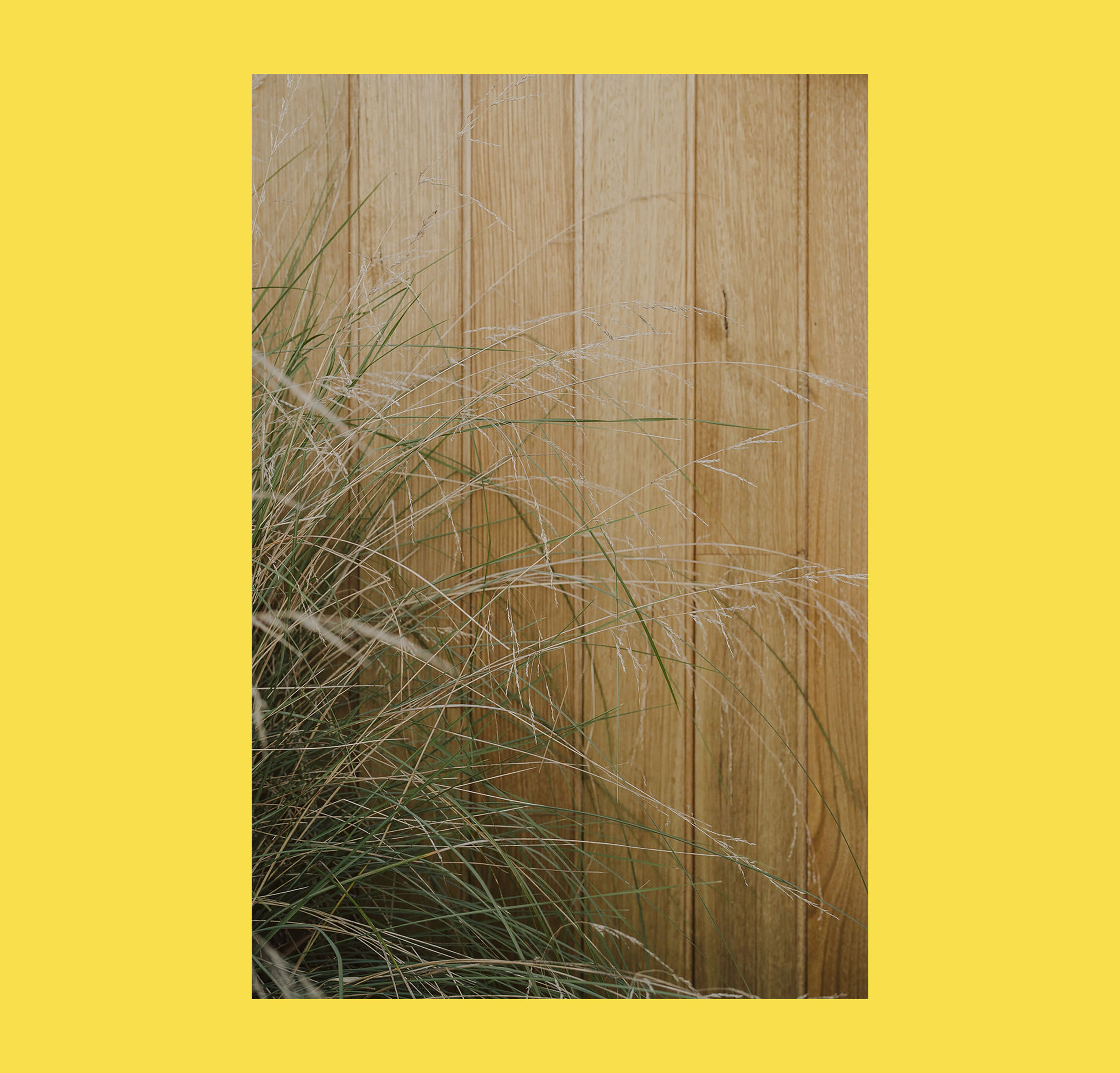
The positioning we developed with the studio brings together two attributes: horticultural expertise expressed through soft, naturalistic planting, and an architectural sensibility suited to collaboration on design-led buildings. We also defined a set of recognisable brand codes for consistent use across the studio's marketing: the director as its public face, contemporary architectural photography, architectural landscape renders, and grasses and meadow planting.
Three objectives for the year ahead followed from this, each with a clear measure: to grow brand awareness in the Western Australian landscape design market, to strengthen the two positioning attributes among clients and collaborators, and to increase the proportion of enquiries referred by architects.
TACTICS
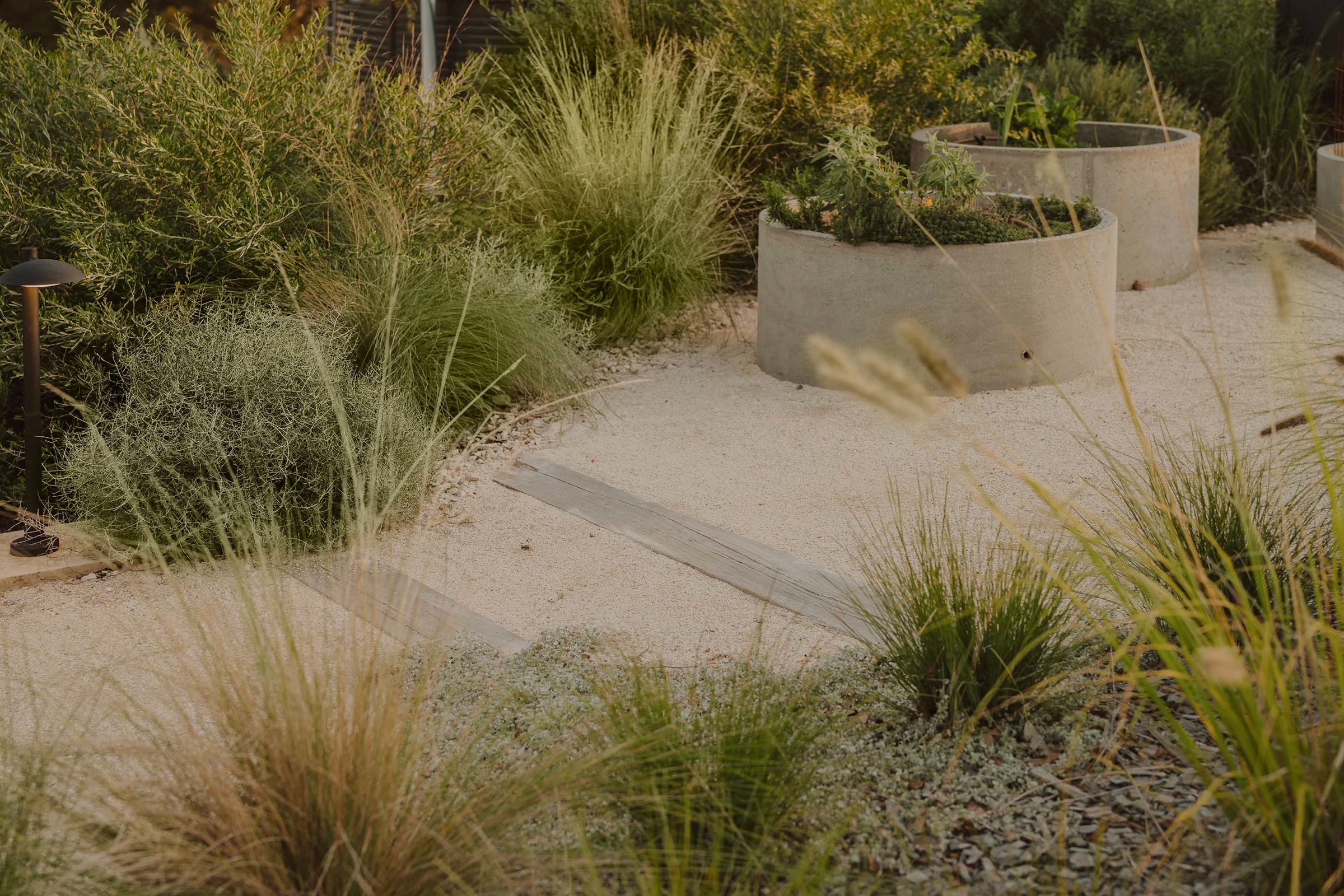
We then developed a detailed strategic plan, with a focus on the studio's portfolio and its relationships with architects. For the website and portfolio, we recommended presenting a smaller selection of completed projects, commissioning a recognised architectural photographer, and writing project descriptions that explain the planting and horticultural reasoning behind each garden.
Outreach to architects received particular attention. We recommended a structured approach to keeping in touch with past clients and referrers, alongside a prospect list of design-focused architects and interior designers, each of whom would receive a printed project catalogue by post with a handwritten card. For each recommendation, we provided relevant precedents and suggested suppliers, accompanied by a 12-month timeline.
IMPLEMENTATION
We also recommended a refresh of the brand identity and suggested graphic design studios suited to the brief. The studio commissioned Both, based in Melbourne, whose identity extends from the wordmark and website to client documents, site signage, workwear and vehicles. We reviewed the website before its launch in late 2024 and continued to advise the studio as the rest of the plan was implemented.
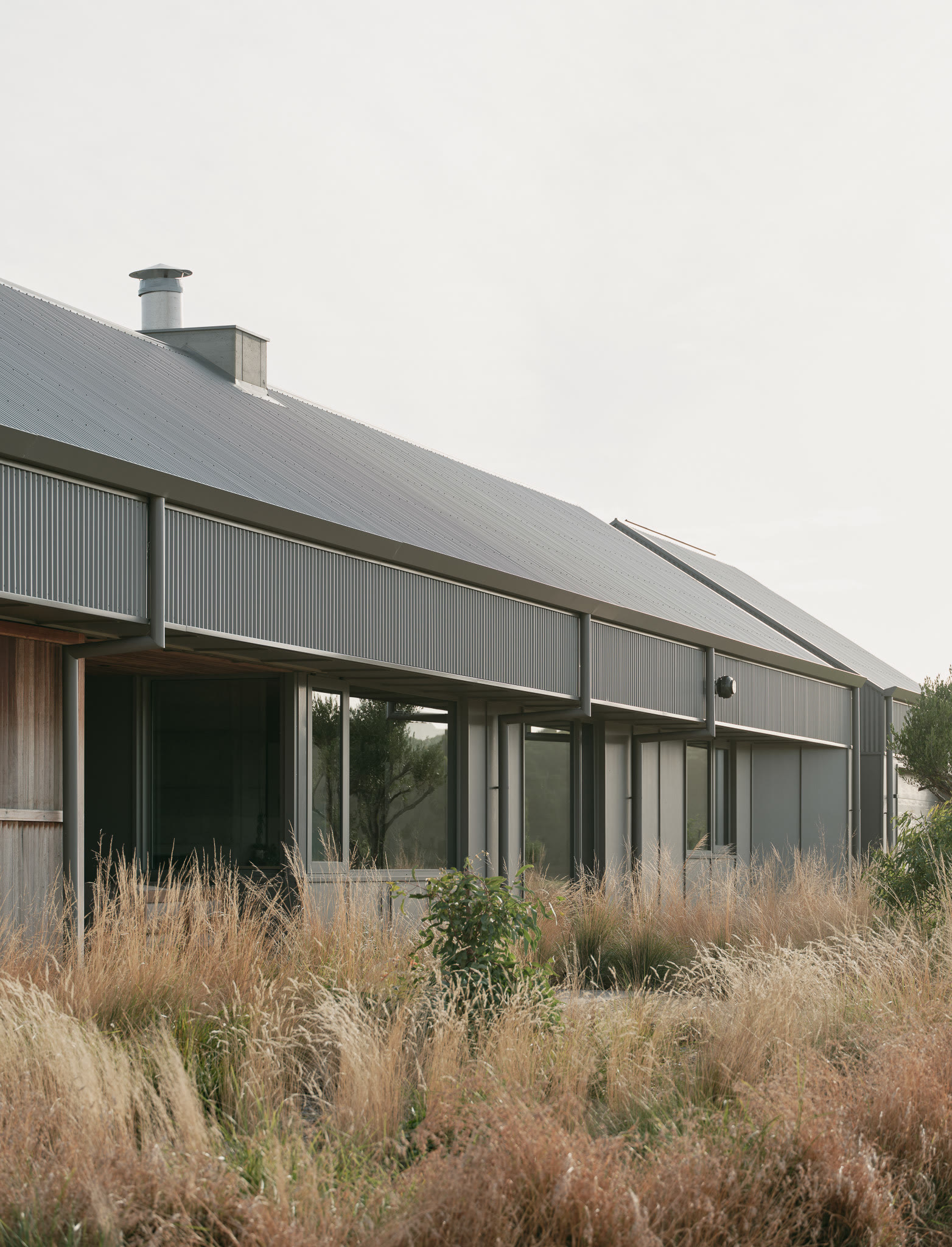
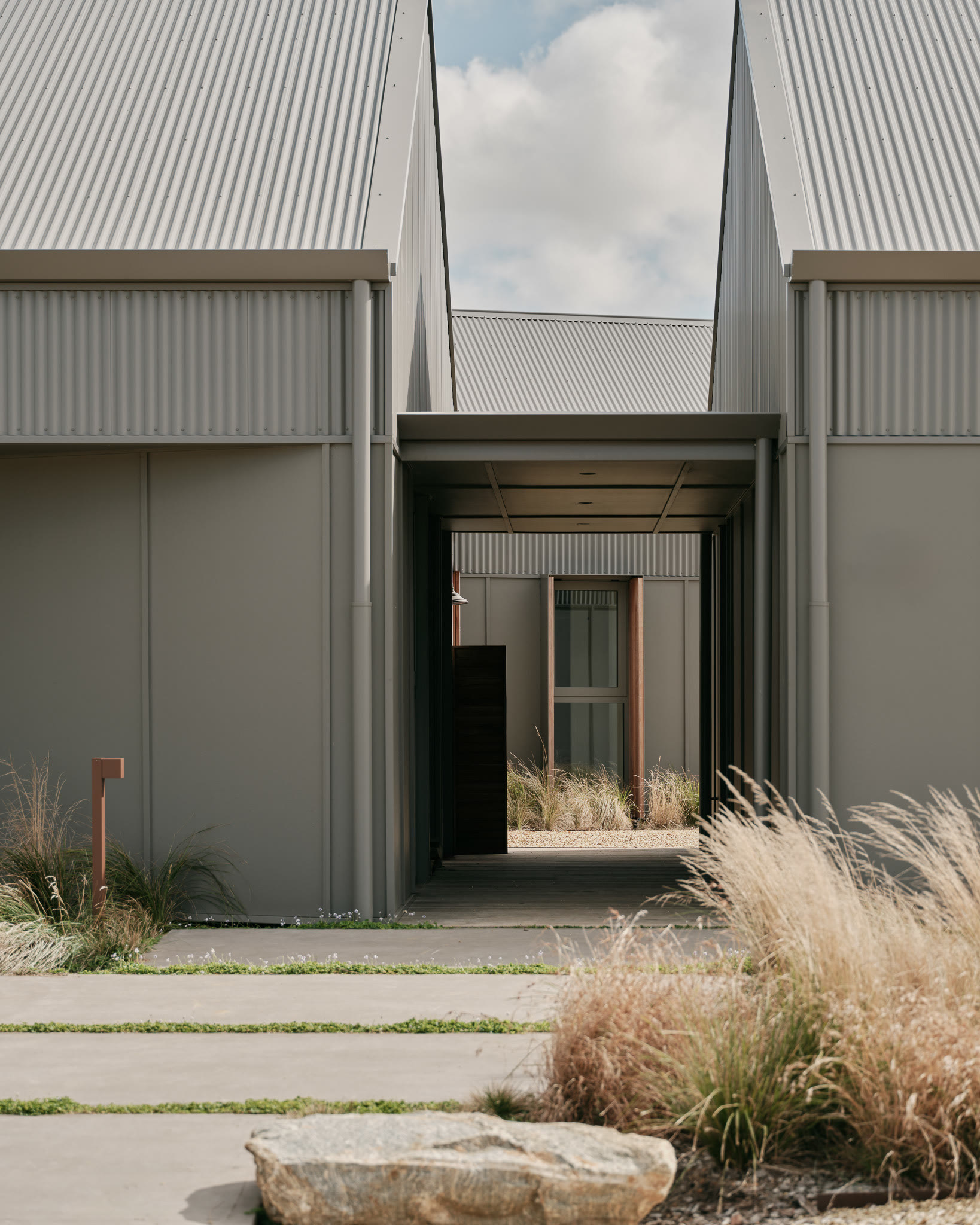
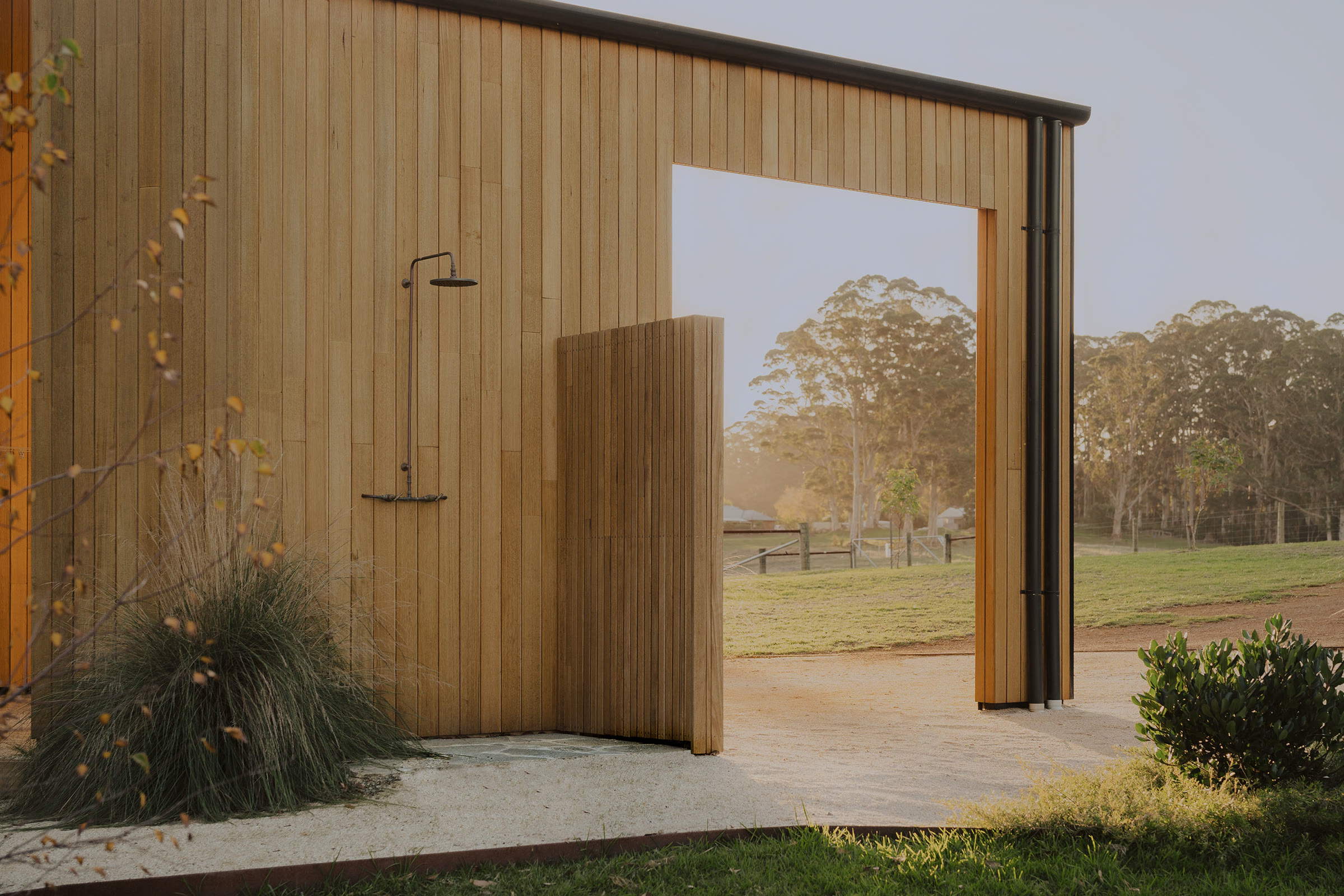
New project photography followed, including Perkins Beach, a project identified in the plan as a priority and photographed by Leo Showell in 2025. In the same year, the studio mailed the printed booklet to the practices on its prospect list.
OUTCOME
As the plan was put into practice, the studio reported that its enquiries were increasingly well aligned with its work, and that architects had begun to contact it directly. The team has also grown.
Drift's gardens bring a rare horticultural depth to the architecture they accompany, and the studio's identity, portfolio and relationships with architects now express that combination clearly, giving it a strong position from which to grow its work across Western Australia.
Brand identity and website by Both. Images by Leo Showell, Dion Robeson and Paris Hawken.