Appendix
Category;
Case Studies
DATE PUBLISHED;
28.8.2024
Credits;
Read Time;
Watch Time;
4M
Case Study: Ellul Architecture
Ellul Architecture is a design-led Melbourne practice, founded in 2019 by architect Ben Ellul and known for refined, understated residential work of elevated simplicity. Its projects span new houses, alterations and heritage buildings, among them Caringal Flat, Sandringham House, Vasey Pavilions and Bluestone House, and are distinguished by a rigorous, highly resolved approach to architecture, interiors and landscape, realised with a close network of builders, makers and skilled trades.
Office D.SHARP undertook a brand review for the practice, assessing its existing marketing, interviewing a recent client and developing positioning and marketing objectives to guide its communications. That positioning is now closely reflected in the way the practice describes itself, as a growing body of recognised work reaches a wider audience.
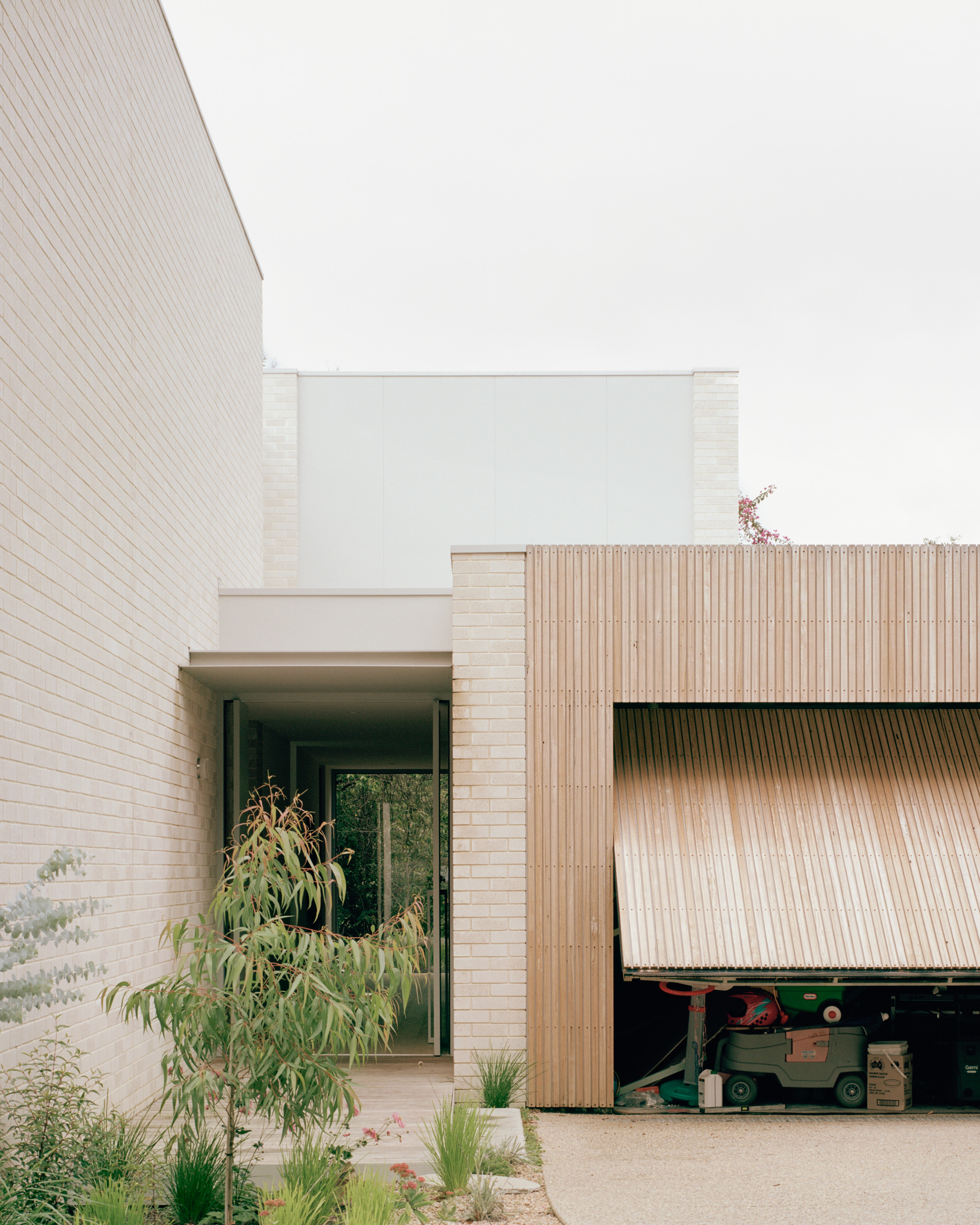
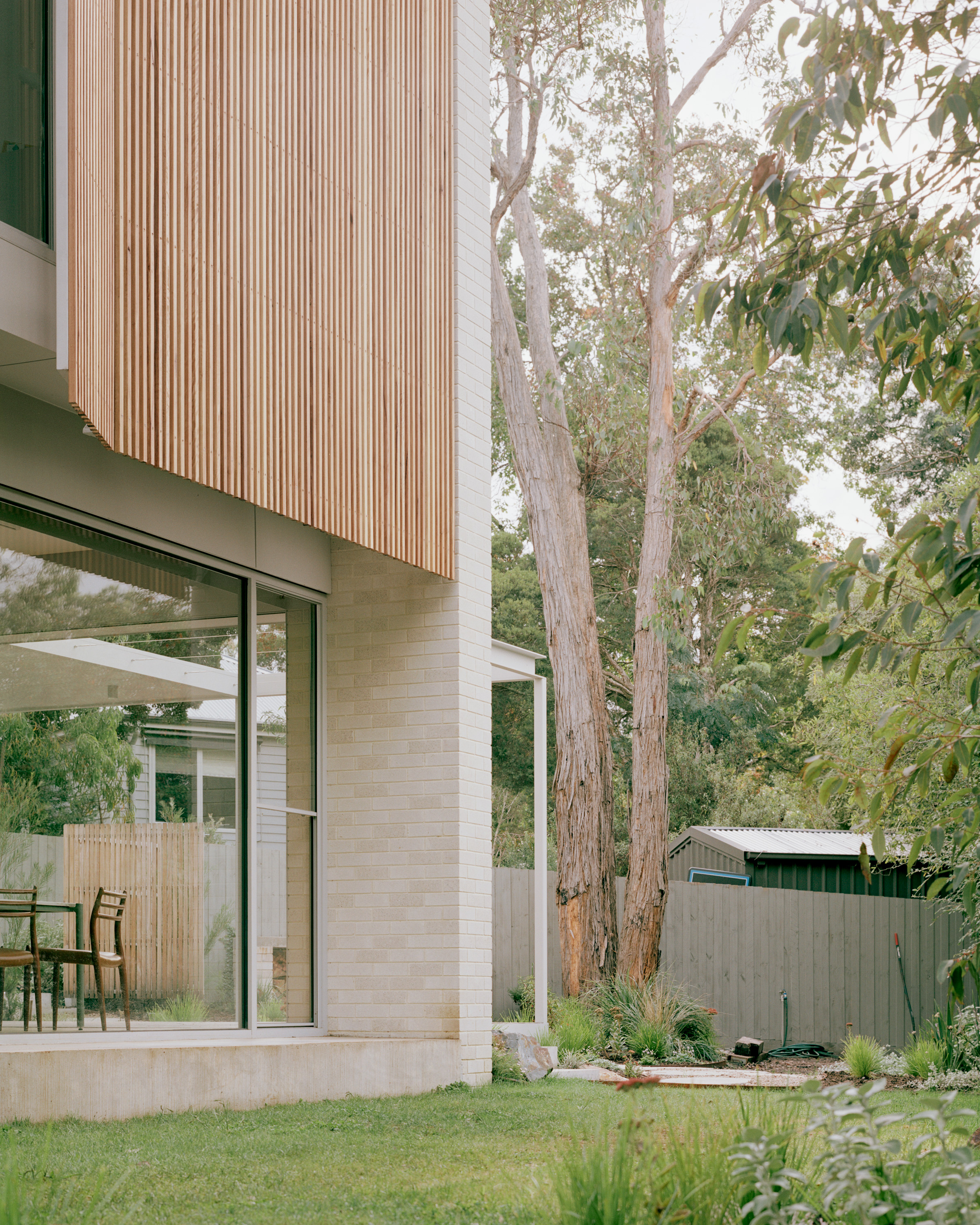
THE BRIEF
Ben Ellul approached Office D.SHARP in May 2024, and we presented our findings that August. Five years after its founding, the practice had received awards and press coverage for its first completed projects, and had established a consistent visual identity with a small group of creative collaborators.
With several further projects complete or approaching completion, among them Vasey Pavilions and Bluestone House, Ben saw an opportunity to take stock. His aim was to assess how the practice presented itself, and to define a positioning and a set of objectives that could guide its marketing as this new work was released.
BRAND REVIEW
We began by holding workshops with Ben to understand the background of the practice, its values and objectives, its ideal clients and the studios it looks to as reference points. We then assessed the website, social media, imagery and client-facing documents against our detailed review framework.
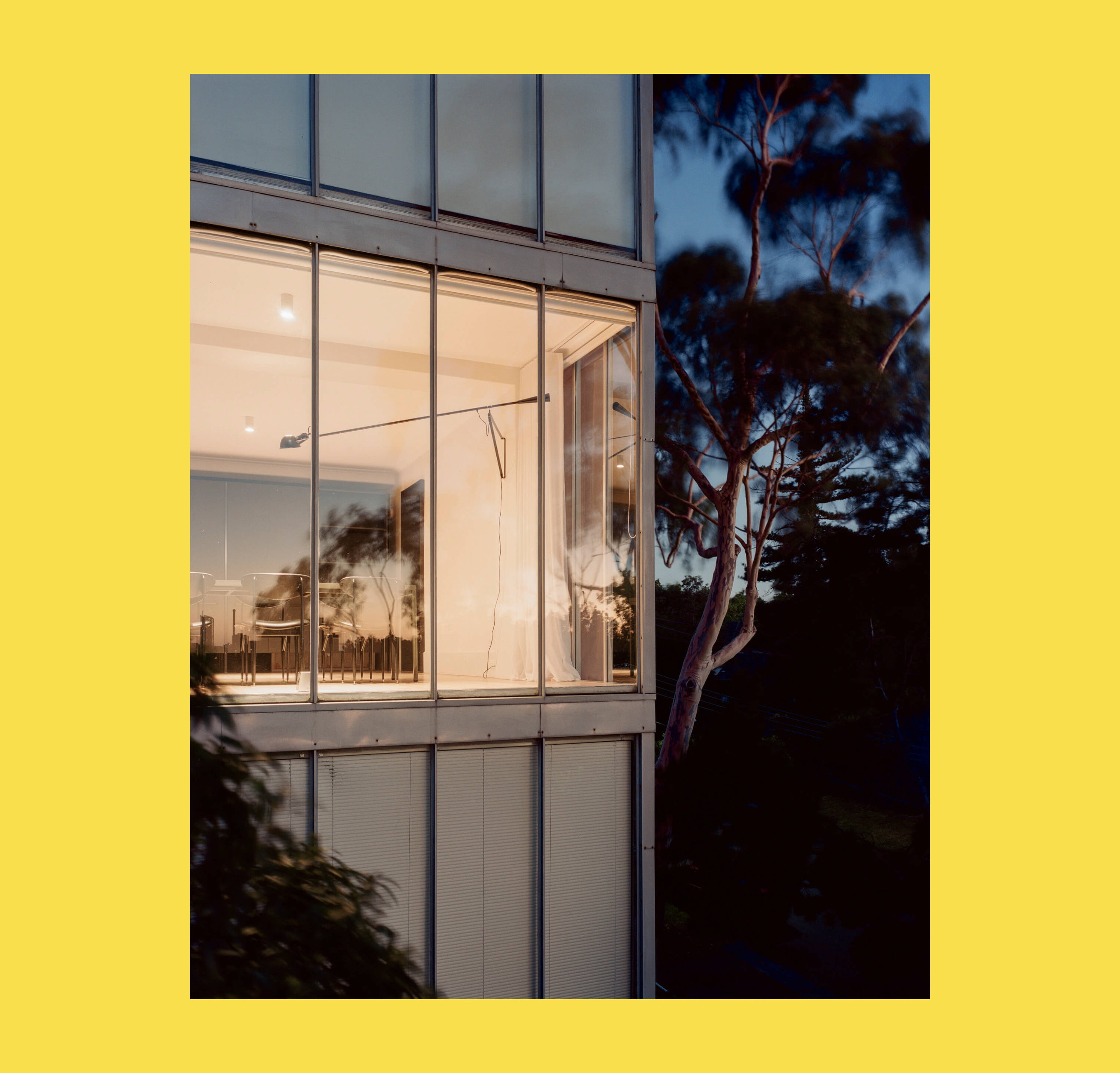
The practice's brand image was already in a strong position. Its photography, film and visualisation were of a high standard and consistent in character, the graphic design of its website and documents was excellent, and its Instagram presence had a clear and distinctive aesthetic.
The areas for development were a matter of quantity rather than quality. A broader portfolio, fuller written content for projects and a more active use of social media would allow the practice to present the depth of its work as clearly as its visual identity already did.
CLIENT RESEARCH
To test these observations against a client's experience, we interviewed a recent residential client about how they had selected an architect and how they saw the practice. They described a studio whose website and photography conveyed a clear and integrated design sensibility, which had given them confidence in the practice from the outset.
They also saw the youth of the practice as an advantage, associating it with close personal attention, care over detail and an awareness of contemporary design culture, and they read the small moments of humour in the project photography as a sign of personality. These themes fed directly into the positioning.
POSITIONING
We built the positioning on four concepts: refined, rigorous, decisive and pragmatic. Refined refers to an understated and recessive architecture with a sense of elevated simplicity, and rigorous to a deeply engaged practice that produces highly resolved architecture, interiors and landscapes through an ordered approach to design.
Decisive describes confident, efficient and clear thinking, while pragmatic refers to an adaptive and resourceful way of working, supported by a network of builders, makers and skilled trades. We chose these concepts to distinguish the practice from its peers while remaining true to its existing brand, and prepared an example positioning statement to show how they might be used.
We also set three objectives for the year ahead, each with a defined measure: to increase awareness of the practice in the Melbourne architecture market, to elevate its brand perception, and to strengthen repeat and referral work from existing clients, contacts and collaborators.
TACTICS
In presenting the review to Ben, we identified where further effort would be most valuable: written content for the brand and its projects, the further development of the website, and a considered system for maintaining relationships with clients and referrers.
OUTCOME
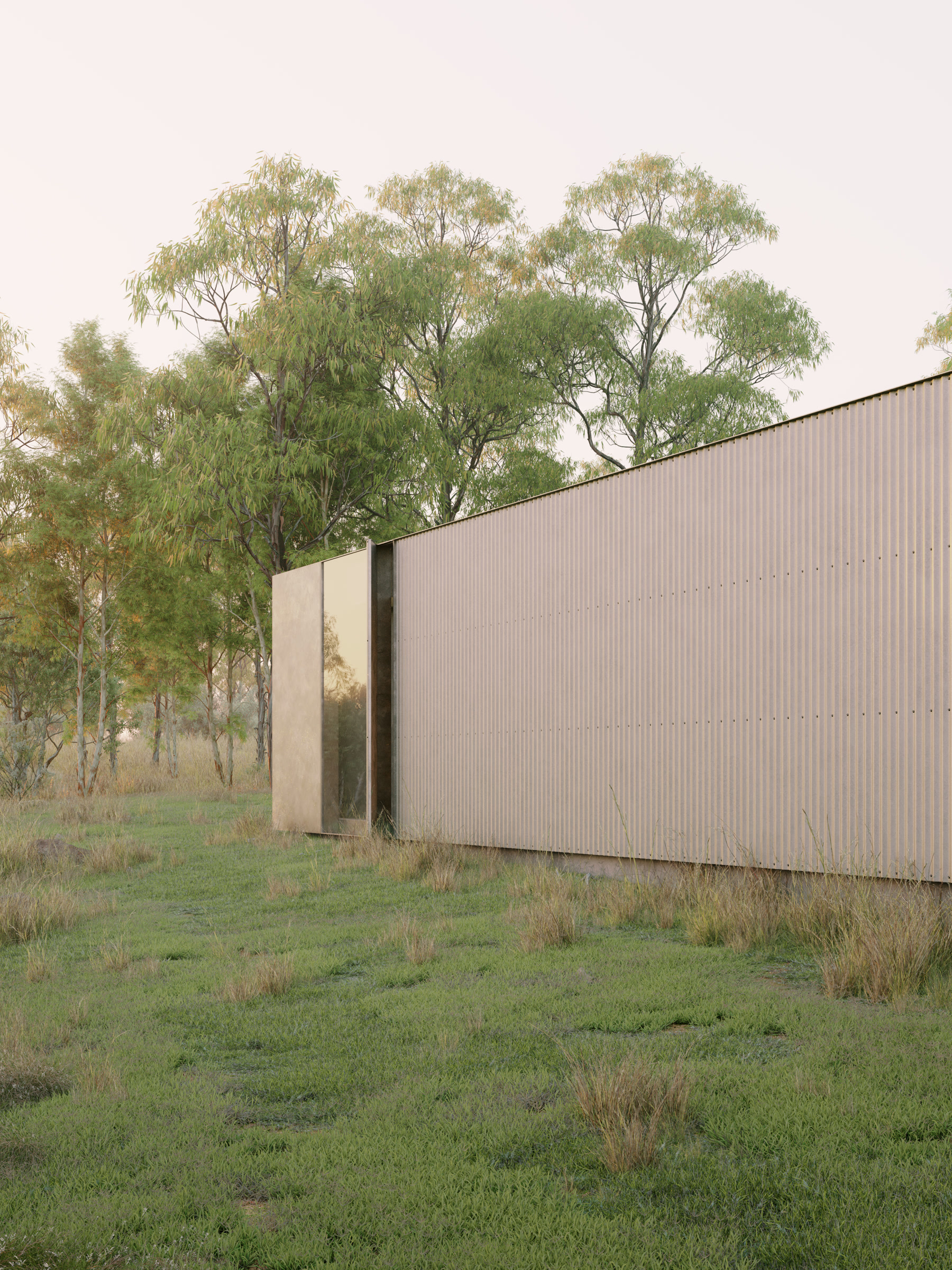
The practice's website now introduces the studio in language that follows the positioning closely, describing a design-led practice whose work is highly refined, understated and recessive, and whose approach is rigorous and decisive. Projects that were being completed or photographed at the time of the review have since been released, including Vasey Pavilions, Bluestone House and Flat for an Artist.
In 2025, Ellul Architecture was named Emerging Architecture Practice at the Houses Awards, where Bluestone House and Flat for an Artist were commended and Vasey Pavilions was shortlisted. It is a young practice of unusual clarity and assurance, and it now has a way of describing its work that matches the quality of the architecture itself.
Images by Hamish McIntosh and Rory Gardiner with Colby Vexler.