Appendix
Category;
Case Studies
DATE PUBLISHED;
11.7.2025
Credits;
Read Time;
Watch Time;
4M
Case Study: House in an Olive Grove by Invisible Studio
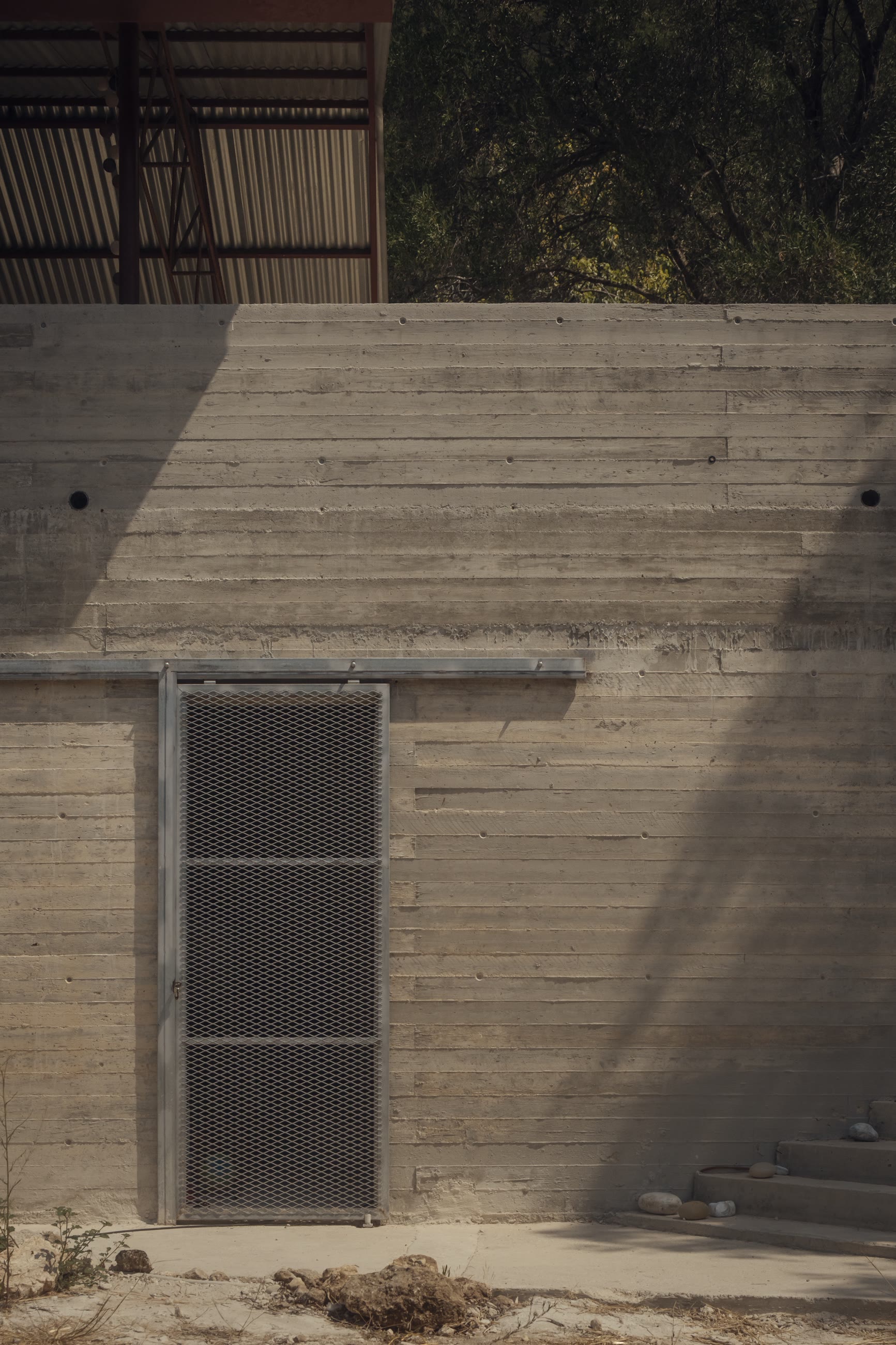
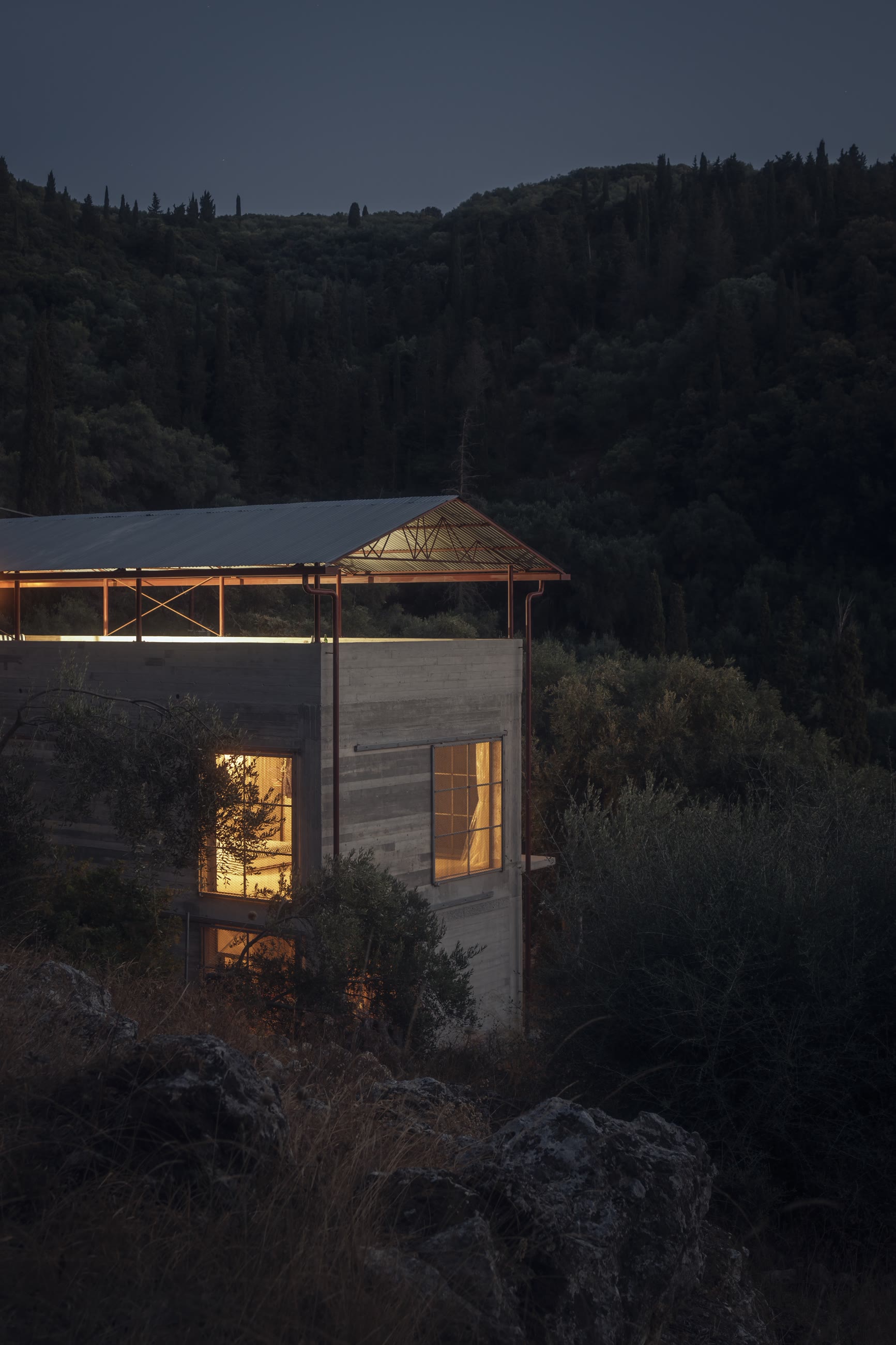
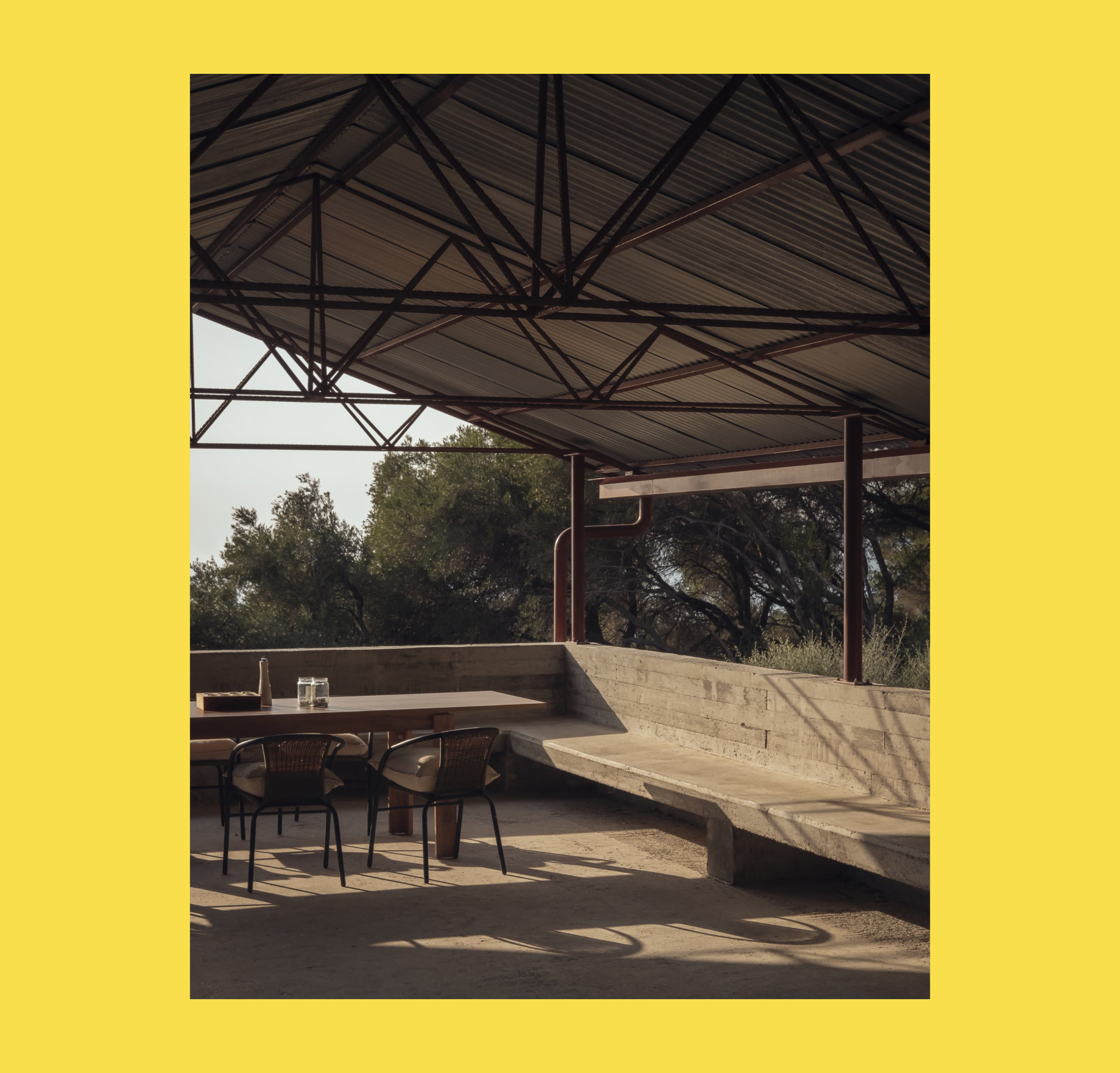
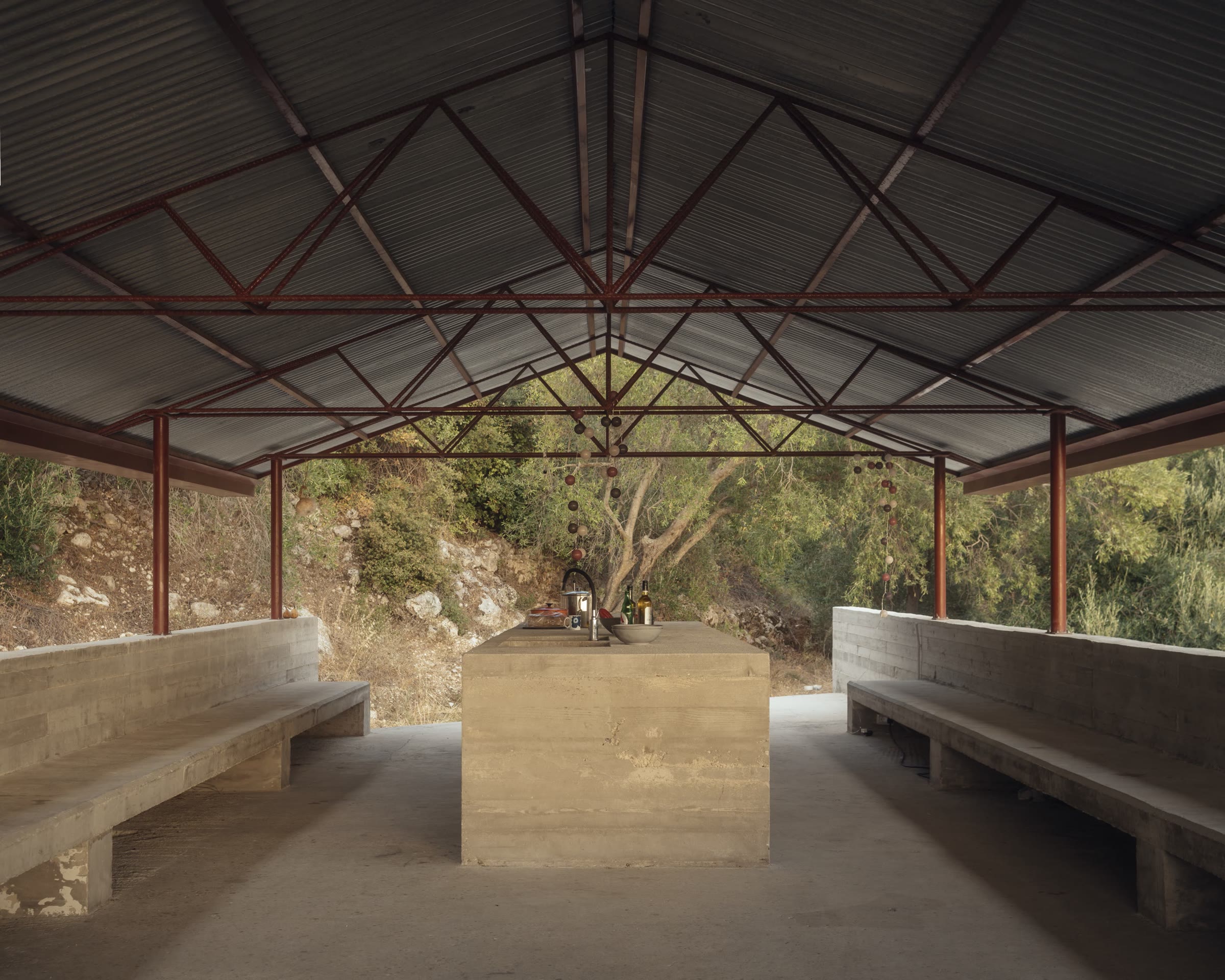
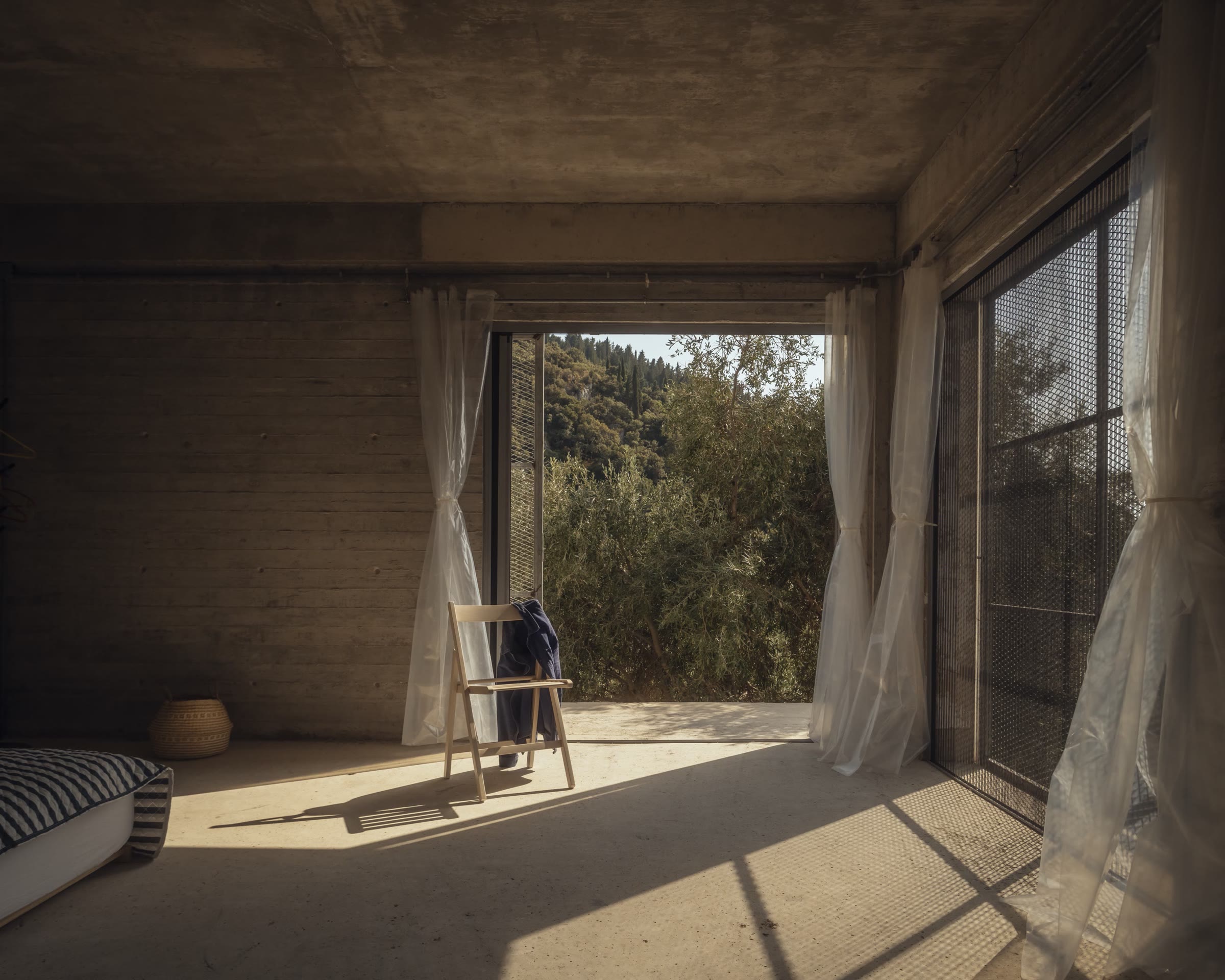
Invisible Studio is the practice of British architect, educator and broadcaster Piers Taylor, known for a resourceful, hands-on approach to building that champions low-cost construction, local materials and collaborative methods. Completed in 2024, House in an Olive Grove is a concrete and steel holiday house designed by Taylor for his own family on the Greek island of Corfu, built with a restraint that sets it apart from the typical Mediterranean villa.
Working closely with Taylor, we managed a press campaign introducing the house to audiences in the United States and Australia, ahead of his appearance at the inaugural Murcutt Symposium in Sydney. Through careful sequencing and two distinct lines of outreach, we secured a feature on the house in The New York Times, followed by interview and profile coverage in ArchitectureAu and Indesignlive.
THE CHALLENGE
Project press campaigns are generally built around a newly completed building and the offer of first publication to a single title. House in an Olive Grove, however, had been released to the press the previous year and had already appeared in a number of established architecture and design titles. As most editors give priority to unpublished work, any new campaign would need to be planned carefully around this existing exposure.
Taylor approached Office D.SHARP in early 2025 with two aims. The first was to bring the house to the attention of readers in the United States, where the project was still new to most editors. The second was to establish a presence in the Australian architecture and design press, where the house had not yet been published, in the months before he travelled to Sydney to speak at the symposium that September.
MEDIA SELECTION
We began with a consultation to confirm Taylor's objectives for each market, before developing a longlist of potential titles drawn from our past work, experience and ongoing research. For each publication, we considered what it would expect from us in terms of exclusivity, story relevance and lead times.
It soon became clear that a single pitch would not serve both markets, so we recommended two parallel lines of outreach. The first centred on the house itself and was directed to American titles and to outlets that publish project features. It told the story of a family home built at low cost, from ordinary materials, on the least promising part of its site.
The second centred on the architect and was directed to Australian titles that publish interviews and profiles. In that market, Taylor's long connection with Glenn Murcutt and his forthcoming address at the symposium offered a more timely subject than the building alone, and we planned a separate profile release on Taylor, Murcutt and frugal design accordingly.
PREPARATION
We worked with architectural editor and journalist Aleesha Callahan to refine the narrative angles and write both texts. An early working session identified the themes that would shape the project story, including the idea of a new kind of vernacular, and of a house deeply specific to its place while remaining open in the way it is used.
We designed the media kit in-house, bringing together the project story, the project information, image permissions and a profile of the architect, along with pull quotes drawn from the project film. From a set of more than a hundred photographs by Jim Stephenson, we selected sixteen that best conveyed the character of the house, and supplied drawings and the film alongside the kit.
MEDIA RELATIONS
Our outreach was carefully sequenced, with each title approached individually. The New York Times responded on the day of our approach, and its feature on the house was confirmed two weeks later.
We then agreed a period of exclusivity with The New York Times for the project story and arranged the Australian conversations around it, ensuring that each outlet received material distinct from the others and that the Australian coverage followed the American feature in the lead-up to Taylor's visit. Throughout the campaign, we acted as the single point of contact for journalists, the client and the photographer, managing each exchange with care and attentiveness.
OUTCOME
The New York Times published its feature on the house in July 2025. Later that month, ArchitectureAu published an interview with Taylor on architecture as infrastructure for change, and Indesignlive ran a news story on his appearance with Glenn Murcutt in early September. Taylor was also a guest on the Stories Indesign podcast, recorded and released during his visit to Sydney, with an accompanying article on Indesignlive.
By treating the house and its architect as two distinct stories, the campaign extended the reach of a project that had already been widely published, and introduced Taylor to the Australian architecture and design press ahead of the symposium. Invisible Studio's resourceful, deeply grounded approach to building now has an audience in the United States and Australia to match its long-standing profile in the United Kingdom.
Images by Jim Stephenson.