Appendix
Category;
Case Studies
DATE PUBLISHED;
14.8.2025
Credits;
Read Time;
Watch Time;
4M
Case Study: Nex
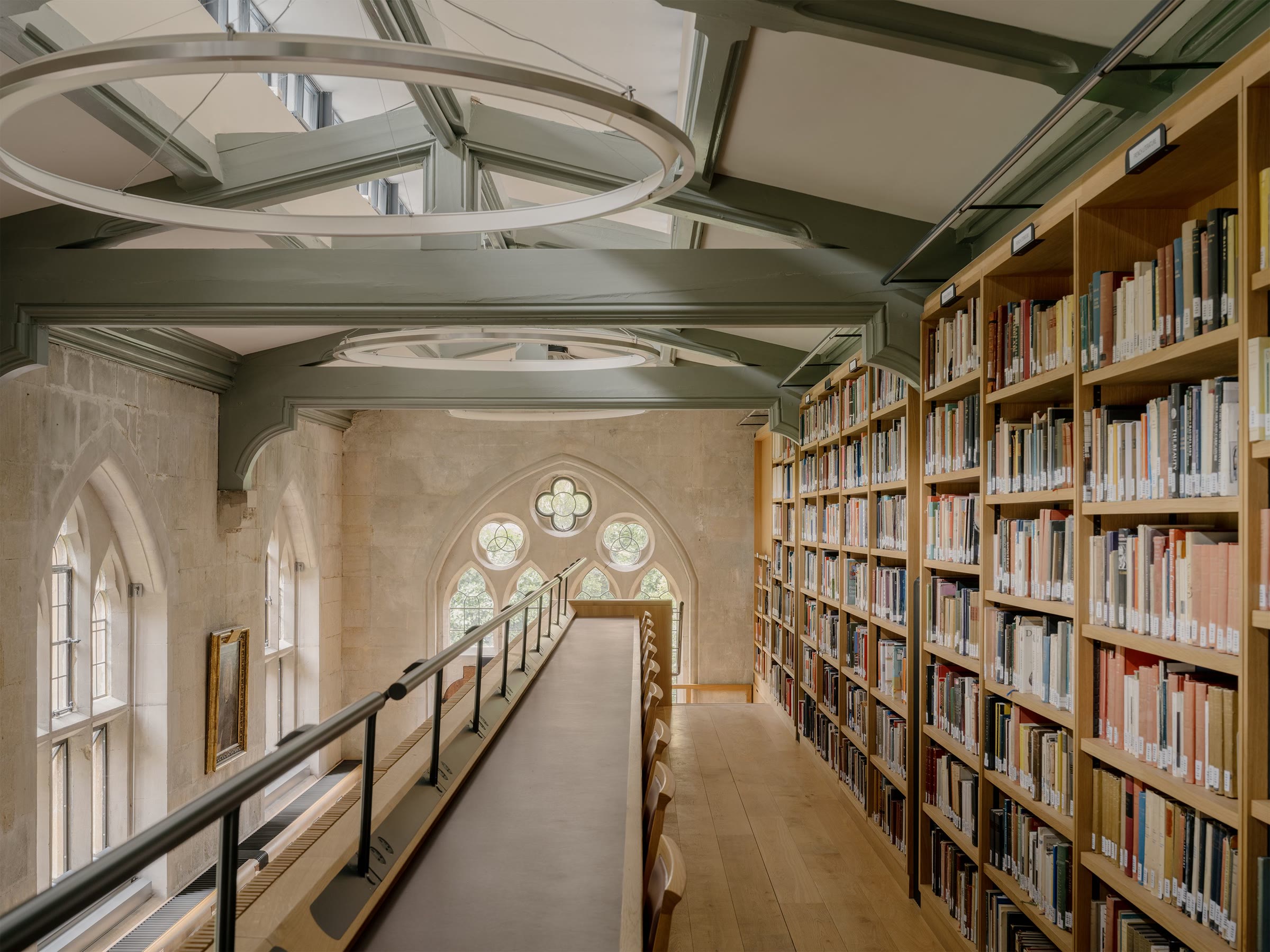
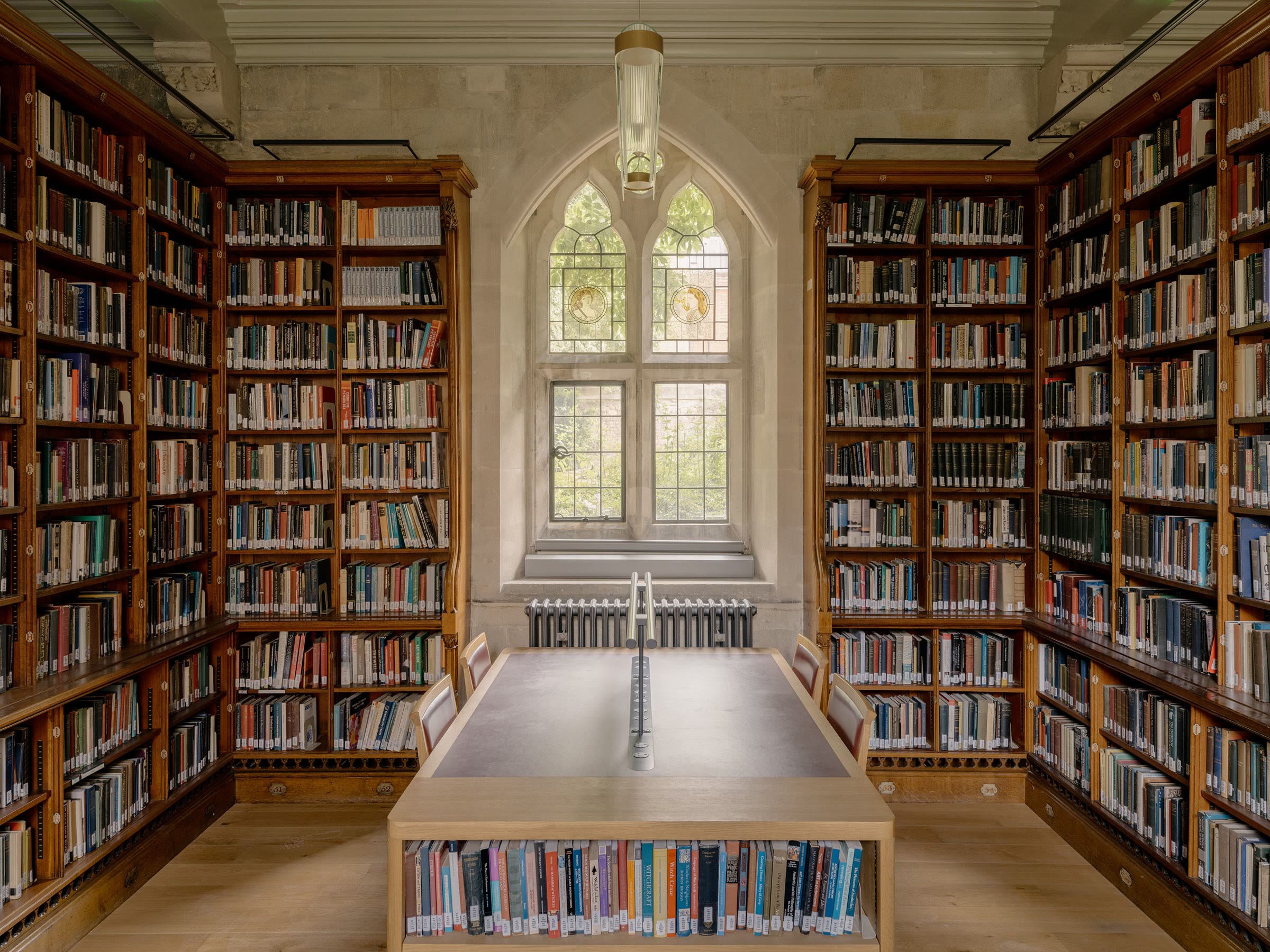
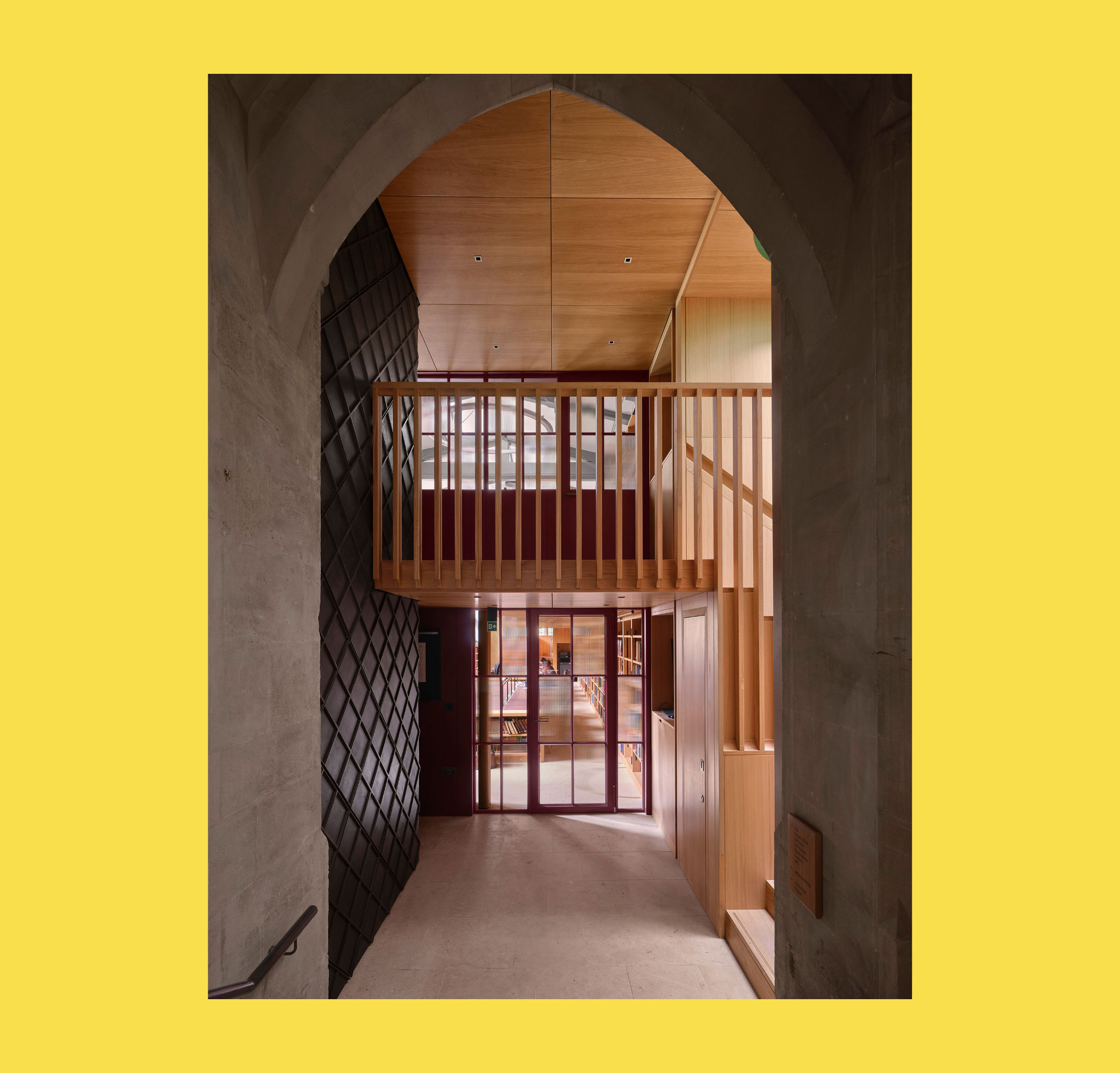
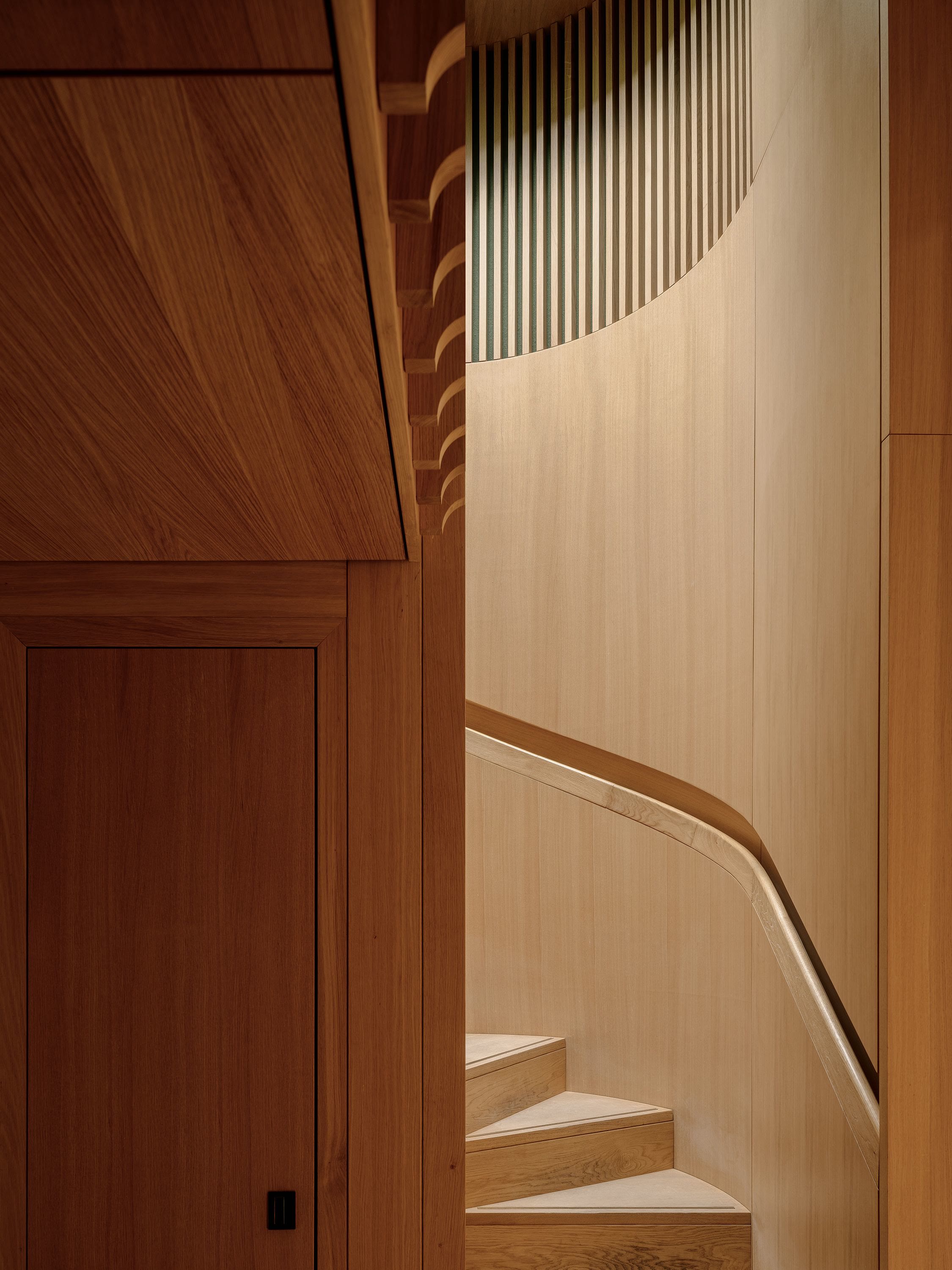
Founded in 2008 by director Alan Dempsey, Nex is a London architecture practice known for confident, rigorous and carefully crafted buildings for cultural, higher education and public clients. Its work moves comfortably between new architecture and sensitive interventions in historic settings, most recently in the renewal of the Grade II listed library at Exeter College, University of Oxford, a project distinguished by its calm, textural spaces and finely resolved timber structure.
Office D.SHARP worked with Nex to review its brand, understand how the practice is perceived by clients and collaborators, and develop a marketing plan. That plan went on to inform a new identity and website by StudioSmall, new photography of Exeter College Library and a printed book on the project.
THE BRIEF
Nex approached Office D.SHARP in 2025 with an established record in design competitions and a strong base of returning clients. Having built that reputation over more than fifteen years, the team wanted to raise the practice's profile further, particularly in the culture and higher education sectors, and to ensure its marketing conveyed the design quality of its work as clearly as its experience.
Their aim was to establish a clear brand identity, build awareness among institutional clients and be better recognised as a design-focused studio. The team also asked for a practical plan that the studio could implement independently.
BRAND REVIEW
Our work began with workshops with the team to understand the practice's values, objectives and ideal clients. We then reviewed its identity, website, imagery, messaging and client-facing documents for distinctiveness, tone and consistency, benchmarking the practice against a group of peers nominated by the team.
The practice's project descriptions, awards record and client list were clear strengths, reflecting the calibre of its experience. The areas requiring attention were the brand identity, and the imagery and messaging, which had yet to convey the character of the buildings as fully as the practice's experience and process.
To understand how the practice is perceived, we interviewed clients from the culture, higher education and private sectors, together with an organiser of design competitions, and conducted an anonymous survey of the practice's consultants and other collaborators. Those we interviewed valued the practice's rigour and sensitivity to context, while collaborators consistently described Nex in terms of delivery, collaboration and professionalism. Together these insights pointed to an opportunity to communicate the design and crafted quality of its buildings with equal clarity.
POSITIONING
Following the review and research, we conducted workshops with the team to develop four positioning concepts: confident, rigorous, atmospheric and distilled. Together they describe a practice that leads complex projects with assurance and produces carefully detailed, calm and textural buildings, rich in light and mood.
We also agreed three measurable objectives with the team, focused on increasing brand awareness in the UK and European architecture market, elevating the practice's brand image and presentation, and growing consideration for institutional projects in culture and higher education.
TACTICS
With positioning and objectives agreed, we developed a marketing plan centred on Exeter College Library, a recently completed project that embodied the qualities the positioning described.
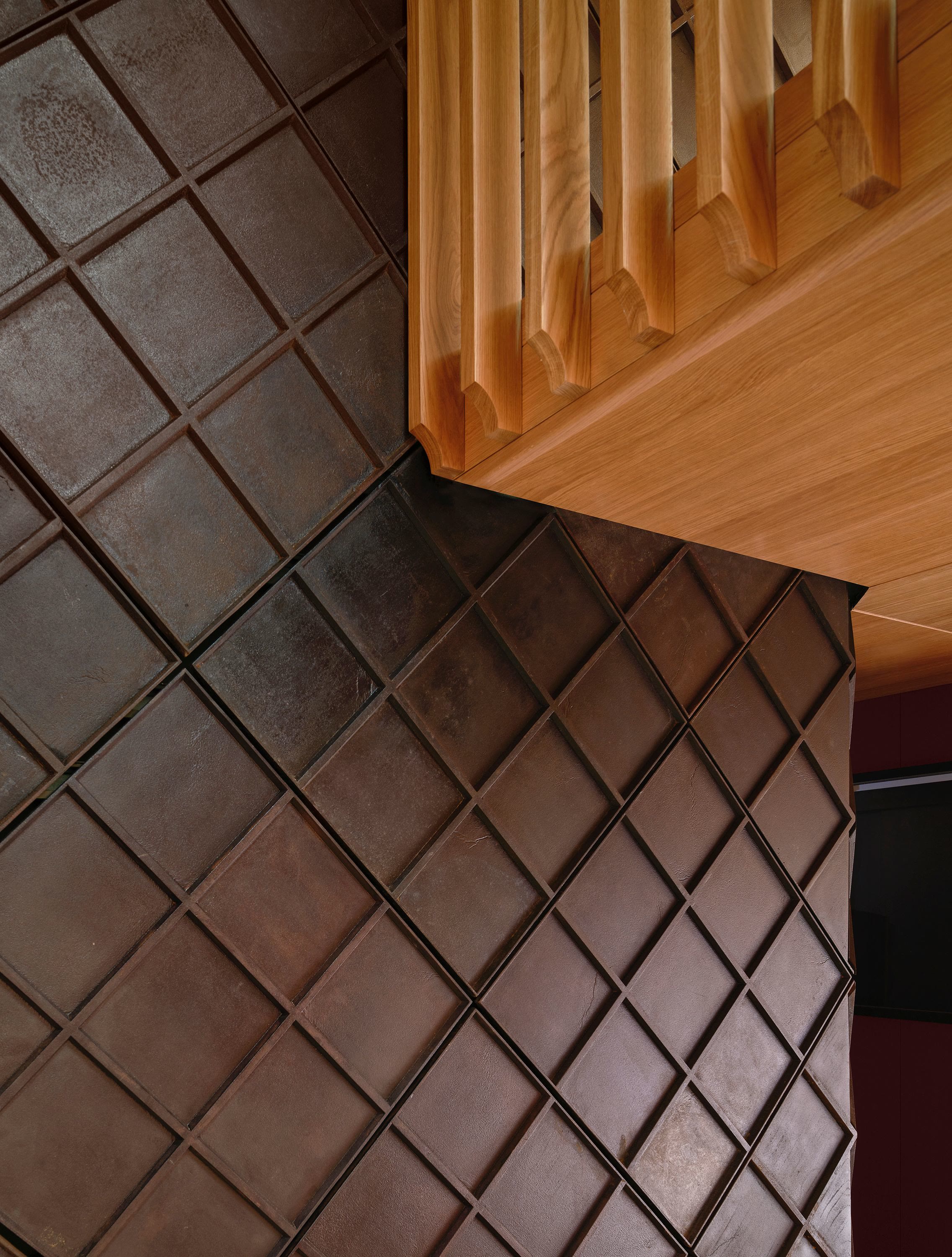
Photography and print received particular attention. We recommended commissioning a photographer with a pared-back, atmospheric style to produce new images in and around the library, and a printed catalogue on the project to be sent to existing contacts and prospective clients with a handwritten card. On media, we suggested that the director's perspective on conservation form the basis for talks, interviews and a press profile.
On branding, we recommended engaging a graphic design studio to develop a new identity, website and suite of templates. On business development, we set out a structured approach to keeping in regular contact with clients and collaborators, including a weekly period set aside for outreach, and we accompanied these recommendations with a twelve-month timeline.
IMPLEMENTATION
After presenting the plan, we prepared the scope for the new identity, website and templates, and introduced the practice to a number of design studios. Nex invited a shortlist of studios to tender and appointed StudioSmall.
We continued to advise as the work progressed, reviewing the brand narrative, identity concepts, website designs, photographer shortlist and website copy. Nex commissioned James Retief to photograph the library, and the proposed catalogue grew into a book on the project.
OUTCOME
The new Nex identity and website went live in August 2026, with Exeter College Library given a central place. The book is being sent to contacts in the university and cultural sectors, and weekly outreach has become an established part of the studio's routine.
Nex is a practice of real assurance and craft, as comfortable leading complex institutional projects as it is caring for listed buildings. Its identity and website now express those qualities with conviction, giving the studio a clear way to present its work to institutional clients.
Brand identity and website by StudioSmall. Images by Will Pryce and James Retief.