Appendix
Category;
Case Studies
DATE PUBLISHED;
28.8.2025
Credits;
Read Time;
Watch Time;
4M
Case Study: Wright Office
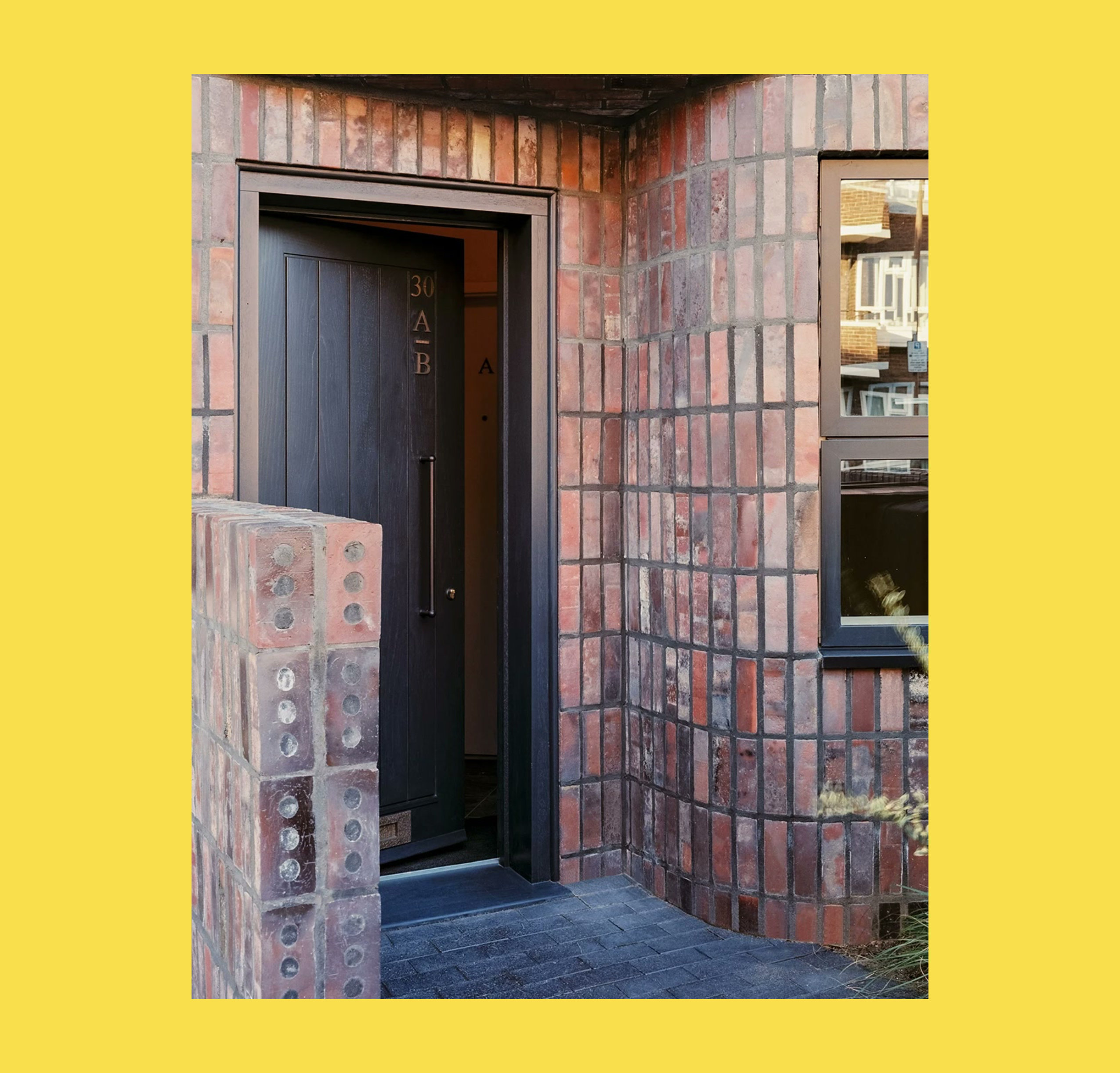
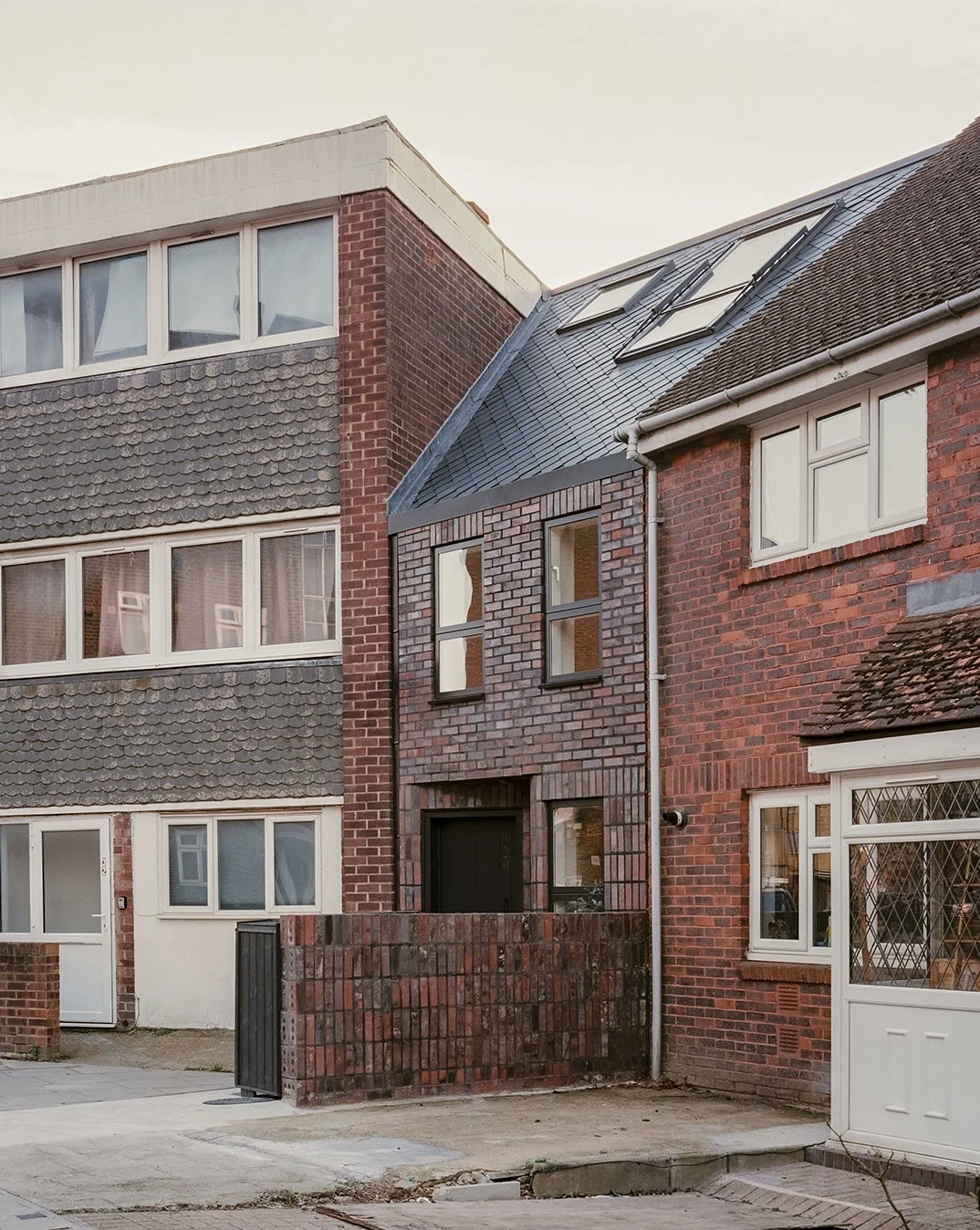
Led by director Alex Wright, Wright Office, formerly Nelson Wright Architects, is a small architecture and development practice based in Leytonstone, east London. Its architecture is measured, calm and materially honest, and its work divides roughly equally between private residential commissions, largely extensions and refurbishments, and housing that the practice designs and delivers itself on small infill sites around London, where careful detailing and a restrained palette of natural materials bring real character to each site.
Our engagement with the practice covered a brand review, positioning and a marketing strategy, giving it a clear and lasting basis for presenting both sides of its work. Over the following year, the practice commissioned new photography and writing, produced a series of printed project dossiers, and introduced a new name, a refreshed identity and a redesigned website by Polytechnic.
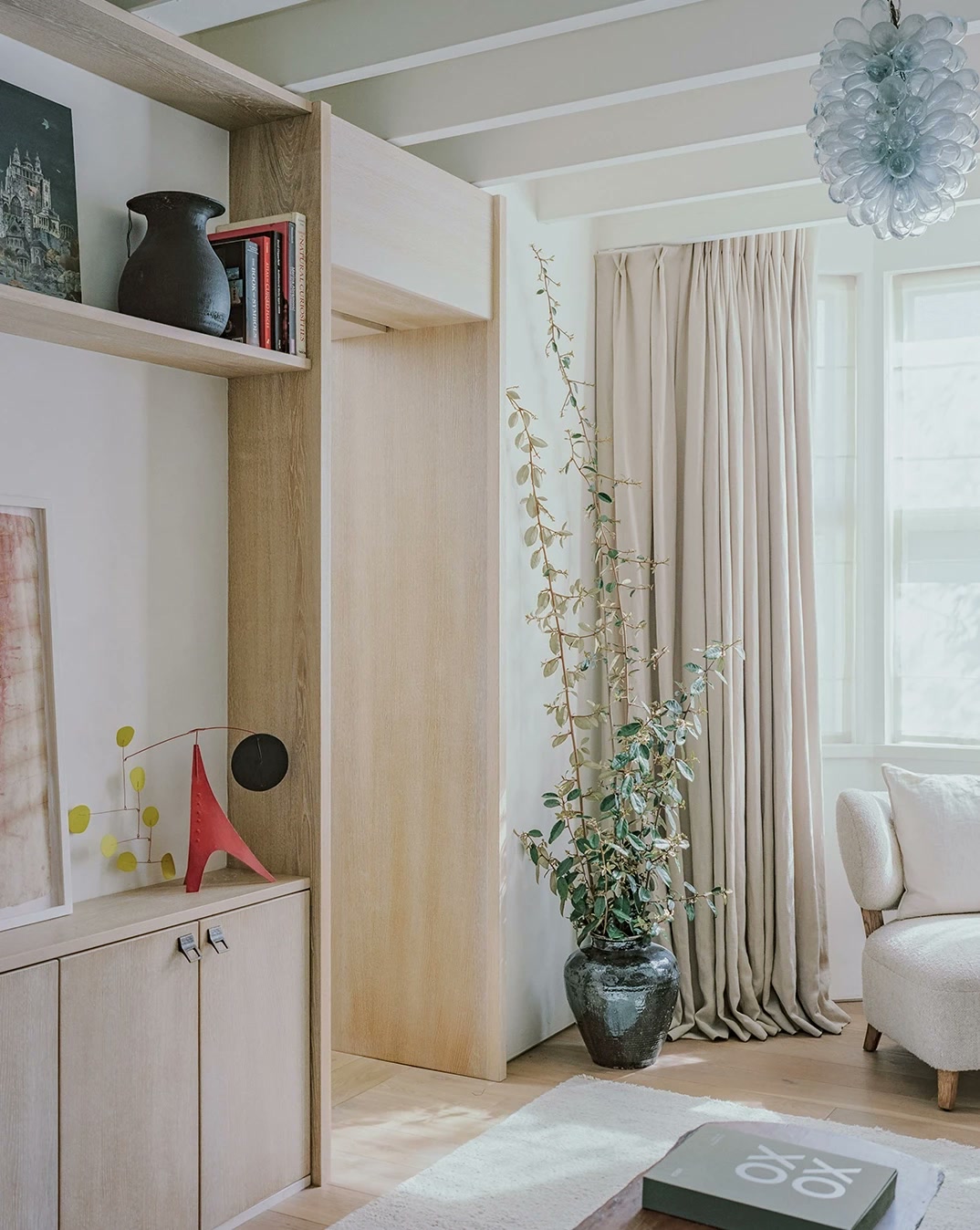
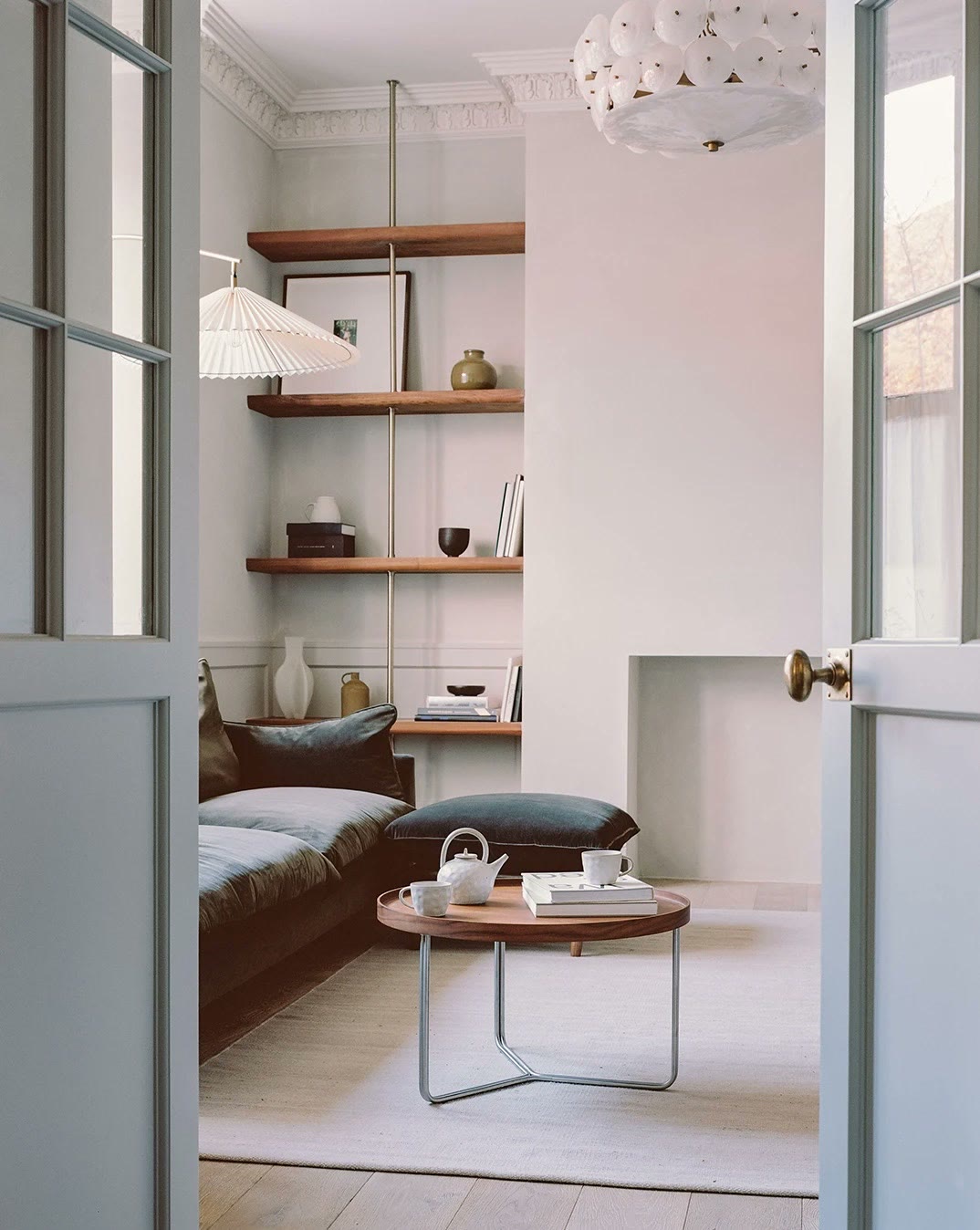
THE BRIEF
Director Alex Wright approached Office D.SHARP in April 2025, at a time when the practice was working to define its brand and its place in the market. He was looking for a clearer position and a structured approach to marketing that the practice could build on over the long term.
The practice speaks to two audiences: private homeowners, and the developers and landowners who may involve it in larger schemes, joint ventures or new sites. Its aim was to attract enquiries for larger projects from both groups, raise awareness of the practice and establish a recognised specialism in infill development. Alex also wanted to bring the development side of the business into the practice's public-facing identity and messaging.
BRAND REVIEW
We began by holding workshops with the practice to understand its values, objectives, ideal clients and key strategic challenges. We then reviewed its branding, website, imagery, social media and client-facing documents.
For its size and age, the practice was in a strong position, with a distinctive niche in self-initiated development and a calm, appropriate brand identity. The areas requiring attention lay mainly in its content, from the project photography to the written messaging and document templates, and in explaining the relationship between the architecture and development sides of the practice more clearly, which mattered for both of its audiences.
POSITIONING
Following our review, we held a workshop with the practice to develop positioning that describes an architecture that is measured, calm, materially honest and characterful. We prepared it as an internal reference for briefing writers, photographers and designers.
One of our central recommendations concerned how the practice should present itself to developers. We recommended that it differentiate itself on architectural quality for both audiences, with its experience of designing and delivering its own schemes serving as evidence that design quality and commercial viability are compatible.
At the same workshop, we agreed concise objectives for the year ahead: to increase brand awareness in the South-East residential market, to elevate the practice's brand image and presentation, and to grow consideration among developers.
TACTICS
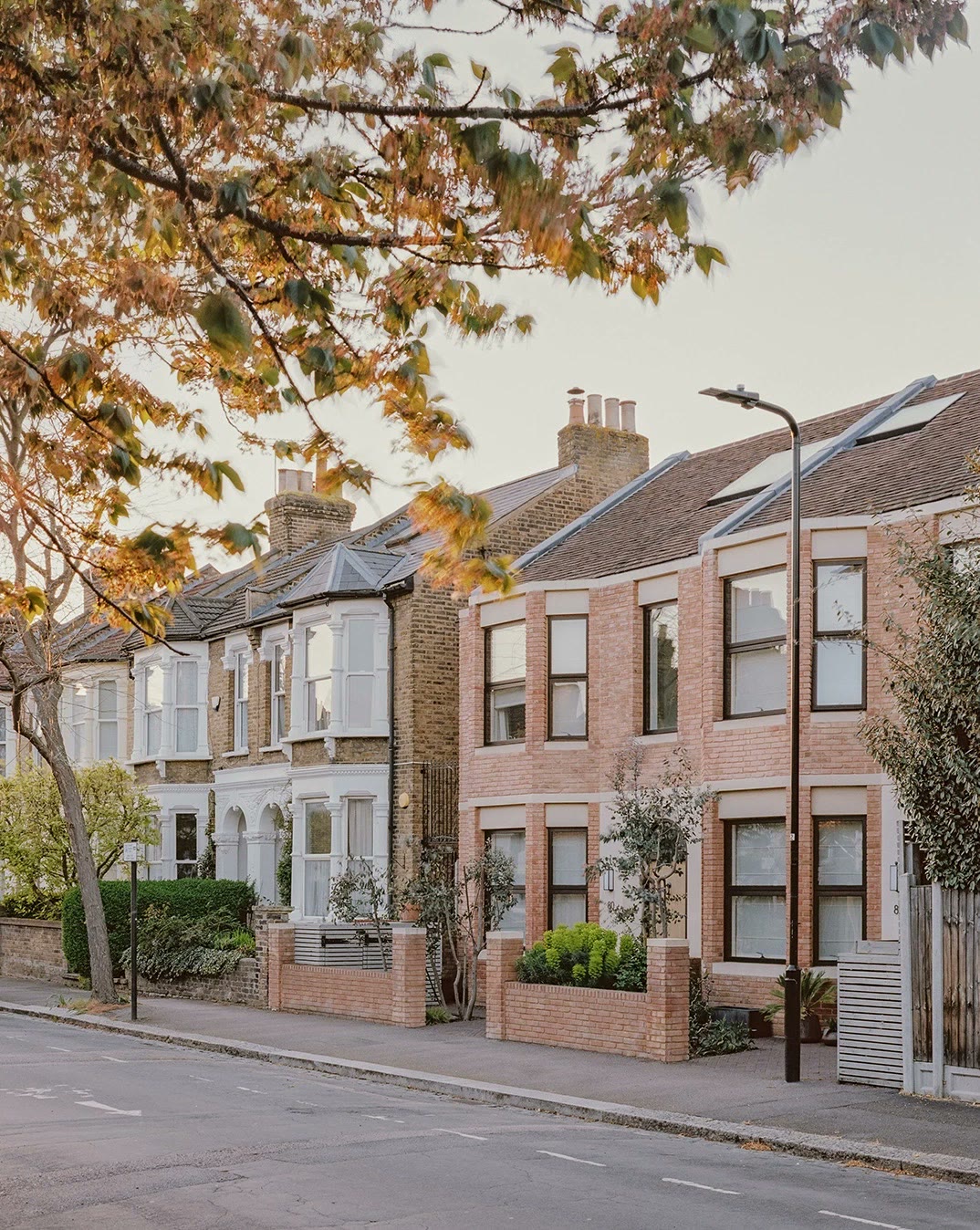
After a further workshop on tactics, we developed a detailed marketing plan in which content received particular attention. We recommended continuing with Building Narratives for the photography of each newly completed project, together with a reshoot of the practice's Leybourne Road development, and commissioning professional writers for the project texts and a new practice statement.
On design, we recommended engaging Polytechnic to develop document and presentation templates and a printed case study that could be sent to developer contacts. On media, we produced a media kit template, a list of relevant publications and a pitching process. For each recommendation, we provided relevant precedents and suggested creative suppliers, accompanied by a 12-month timeline.
IMPLEMENTATION
The practice implemented the plan over the following year, and we provided advice and reviewed work as it progressed. Building Narratives photographed completed projects in the first half of 2026, including the reshoot of Leybourne Road. Rebecca Gross wrote the project texts, and Camilla Belton of Writing for Design wrote the practice statement and a development capability statement.
Polytechnic developed the new templates, and the printed case study became a set of hand-stitched Project Dossiers, which are also presented on the website as publications. This work led in turn to a refreshed identity, a redesigned website and a new name, Wright Office.
As both architect and developer, Wright Office is well placed to show that careful, characterful design and commercial viability belong together. Its commissioned and self-initiated work now sits under one consistent identity, supported by photography, writing and printed material that do justice to the quality of its buildings.
Brand identity and website by Polytechnic. Images by Building Narratives.